
⚡ Quick Answer: How Much Does It Cost to Ship a Car to the Cayman Islands?
For planning, shipping a standard running vehicle from the USA to the Cayman Islands commonly costs about $1,500–$3,200+ before destination duty, fees, terminal charges and local delivery. Most international vehicle shipments are planned through George Town, Grand Cayman. Imported vehicles must also complete local registration requirements, including insurance and a roadworthiness inspection before licensing.
USA → CAYMAN ISLANDS CAR SHIPPING
All TransportDepot coordinates nationwide U.S. pickup, title review, AES/EEI export filing, terminal delivery and ocean transport for cars, SUVs, pickups and auction vehicles bound for the Cayman Islands. Grand Cayman is the main international gateway, while Cayman Brac or Little Cayman may require onward island movement. We plan the shipment around the exact destination island, vehicle condition and local registration requirements.
🚢 Vehicle Shipping Calculator
Place an online request →
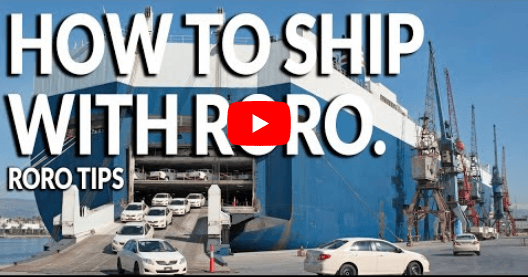
RoRo vs Container Shipping to the Cayman Islands
RoRo Shipping
Suitable for eligible operable vehicles when current carrier service is available. The vehicle generally must start, steer and brake and comply with terminal rules.
Container Shipping
Useful for non-running, damaged, high-value or specialty vehicles and for customers who prefer enclosed loading and additional cargo protection.
Estimated Car Shipping Cost to the Cayman Islands
A broad planning range is $1,500–$3,200+ for many standard vehicles before Cayman destination charges.
| Pickup Region | Planning Range |
|---|---|
| Florida | $1,500–$2,100 |
| Georgia | $1,650–$2,300 |
| Texas | $1,850–$2,600 |
| Northeast | $1,900–$2,700 |
| California | $2,600–$3,200+ |
Planning estimates only. Duty, registration, inspection, terminal handling and local island delivery are separate unless included in writing.
Cayman Vehicle Registration, Inspection & Import Planning
Roadworthiness Is Required
Government guidance states that a new or second-hand vehicle imported from overseas must be insured, presented for inspection and pass the Certificate of Roadworthiness process before registration and licensing.
Special Passenger-Vehicle Restriction
Vehicles designed to carry more than nine passengers, excluding the driver, require prior authorization under Cayman trade restrictions. Government guidance also specifies a left-side passenger-door requirement for that category.
Cayman Islands Vehicle Ports & Routing
George Town, Grand Cayman
Main international planning gateway for most vehicle shipments and the first route to compare for carrier service and customs release.
Cayman Brac & Little Cayman
Shipments to the Sister Islands may require onward domestic movement or island-specific receiving arrangements. The final island should be confirmed before booking.
Documents Commonly Needed
U.S. Export Side
- Original title or ownership document
- Bill of sale / auction invoice
- Shipper identification
- AES/EEI filing where required
- Carrier booking paperwork
Cayman Import / Registration Side
- Bill of Lading
- Title / purchase documents
- Importer identification
- Insurance
- Vehicle inspection / Certificate of Roadworthiness
- Registration and licensing records
Shipping Cars from Copart, IAA, Manheim & Dealers
Nationwide auction and dealer pickup can be coordinated. Before bidding on damaged, modified or unusual vehicles, confirm that the vehicle can pass Cayman roadworthiness and registration requirements. Send the branch, lot number, VIN, title status, keys, storage deadline and running condition.
How Car Shipping to the Cayman Islands Works
1. Send Vehicle Details
Provide VIN, year, model, condition and pickup ZIP.
2. Confirm Destination Island
Identify Grand Cayman, Cayman Brac or Little Cayman.
3. Select Method
Compare RoRo and container service.
4. Arrange U.S. Pickup
Coordinate home, dealer or auction collection.
5. Complete Export
Prepare title and carrier documents.
6. Inspect, Register & Release
The consignee completes customs, inspection and local registration steps.
Frequently Asked Questions
How much does it cost to ship a car to the Cayman Islands?
A broad planning range is $1,500–$3,200+ before destination duty, registration, terminal and local delivery charges.
Which port is normally used?
George Town, Grand Cayman is the main international planning gateway for most vehicle shipments.
Does an imported car need an inspection?
Yes. Cayman Government guidance requires imported vehicles to be insured and pass roadworthiness inspection before registration and licensing.
Can a non-running vehicle be shipped?
Yes, subject to destination eligibility and carrier acceptance. Container service is usually more practical.
Can you pick up from Copart or IAA?
Yes. Nationwide pickup can be coordinated once title status and vehicle condition are confirmed.
Request Your Cayman Islands Car Shipping Quote
Send the VIN, pickup ZIP, running condition and destination island for current routing and pricing.

Ian Mariamu is part of All TransportDepot Inc., an FMC-licensed and bonded NVOCC (License No. 021693) with more than 20 years of experience in international shipping and export logistics. The company handles vehicle shipping, RoRo, containerized cargo, heavy machinery and equipment, boats and yachts, inland transportation, and commercial ocean freight. Through major U.S. ports and international carrier networks, All TransportDepot Inc. supports individuals, dealers, exporters, businesses, and project cargo customers shipping from the United States to destinations worldwide.