
⚡ Quick Answer: How are ambulances and public service vehicles shipped overseas?
Ambulances, buses, utility trucks, rescue vehicles, service vehicles, and other eligible public-service units can be shipped internationally by RoRo, container, flat rack, or breakbulk. The correct method depends on the vehicle’s size, weight, running condition, equipment, destination, and carrier acceptance. All TransportDepot can coordinate nationwide US pickup, export logistics, and international freight for eligible units.
USA → WORLDWIDE EMERGENCY & PUBLIC SERVICE VEHICLE LOGISTICS
All TransportDepot coordinates international transportation for eligible ambulances, medical-response vehicles, passenger vans, buses, pickup trucks, utility trucks, service vehicles, rescue units, and other public-service fleet vehicles moving from the United States overseas.
🚢 Vehicle Shipping Calculator
Place an online request →
On This Page
International Emergency & Public Service Vehicle Shipping
Public-service vehicles can be more complex to export than ordinary cars because they may be taller, heavier, contain mounted equipment, use specialty bodies, or have been purchased from a municipality, hospital, nonprofit, auction, or fleet-surplus program. All TransportDepot reviews each vehicle before assigning a route.
Hospitals & Medical Organizations
International freight for eligible ambulances, patient-transport vans, and medical-response vehicles.
NGOs & Humanitarian Projects
Vehicle transport for healthcare, disaster response, community service, utility, and development programs.
Government & Commercial Buyers
Pickup and export coordination for municipal surplus vehicles, fleet purchases, dealership units, and auction vehicles.
Emergency & Public Service Vehicles We Can Review
Medical & Response
- Ambulances
- Medical-response vehicles
- Patient transport vans
- Emergency support vehicles
Buses & Community Transport
- School buses
- Passenger buses
- Passenger vans
- Community transport vehicles
Utility & Service Fleet
- Pickup trucks
- Utility trucks
- Service vehicles
- Maintenance trucks
- Eligible fire and rescue vehicles
Acceptance is always subject to dimensions, weight, condition, equipment, carrier rules, and destination-country import requirements.
Shipping Methods for Emergency and Public Service Vehicles
COMMON FOR OPERATIONAL VEHICLES
Roll-On/Roll-Off (RoRo)
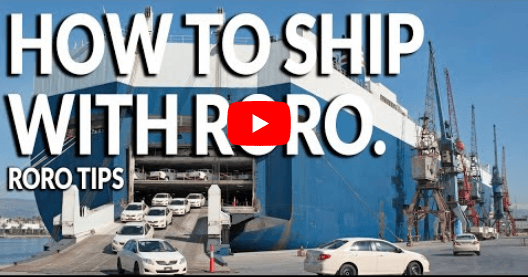
RoRo can be practical for ambulances, vans, buses, pickups, and service vehicles that meet the carrier’s operating and safety requirements. The vehicle is driven onto and off a specialized vessel.
ENCLOSED LOGISTICS
Container Shipping
Smaller vehicles may be loaded into a 20FT or 40FT container when dimensions allow. Containers can also be useful when eligible equipment or project cargo must move with the vehicle.
Flat Rack
Large vehicles that exceed standard container dimensions may be secured on a flat rack, subject to port, carrier, and lifting/securement requirements.
Breakbulk
Very large fire, rescue, utility, or specialized units may require project-specific breakbulk handling and a dimensional quotation.
Running vs. Non-Running Emergency Vehicles
Runs & Drives
For RoRo, the unit may need to start reliably, move under its own power, steer, and brake. Any special operating instructions should be disclosed before terminal delivery.
Non-Running / Inoperable
A non-running ambulance, bus, truck, or utility vehicle may require winching, towing, forklift assistance, container loading, flat rack, or another specialized method. Additional handling costs may apply.
Can Medical, Rescue or Service Equipment Stay Inside the Vehicle?
Do not assume loose equipment can remain inside a vehicle during ocean transportation. Stretchers, medical devices, rescue tools, spare parts, generators, tanks, loose gear, and other items can be treated differently from factory-installed or permanently mounted equipment.
Before booking, provide a list and photos of all equipment that will remain with the unit. Batteries, compressed cylinders, chemicals, fuel-powered tools, or other regulated items require special review and may need removal.
Government, Municipal & Fleet Surplus Vehicle Pickup
Many overseas buyers purchase public-service vehicles from municipalities, hospitals, dealers, auctions, and fleet liquidations. We can coordinate pickup from eligible US locations and transport the unit to the selected export terminal.
Provide the Seller Information
- Pickup location
- Release instructions
- Buyer or lot number
- Contact person
- Title/ownership availability
Provide the Vehicle Information
- Year, make, model
- VIN or serial/identification number
- Dimensions and weight
- Running condition
- Photos
- Mounted equipment list
How the Emergency Vehicle Shipping Process Works
1. Vehicle Review
Send vehicle specifications, origin, destination, condition, ownership information, dimensions, and photos.
2. Method & Route Selection
We evaluate RoRo, container, flat rack, or breakbulk based on the actual unit.
3. Nationwide Pickup
The unit is collected from the hospital, municipality, auction, dealer, fleet yard, or other US seller.
4. US Export Preparation
Applicable title/ownership and export documentation are reviewed before terminal acceptance.
5. Ocean Loading & Sailing
The vehicle is delivered to the assigned terminal or loading facility and moves under the ocean booking.
6. Destination Customs & Release
The consignee or local broker handles destination customs, import approval, taxes/duties, port release, and local registration requirements.
Title, Ownership & Export Documentation
Road vehicles generally require clear ownership documentation before export. Depending on the unit and circumstances, documents can include the original certificate of title or other accepted ownership document, bill of sale or invoice, shipper identification, consignee details, export filing information, ocean booking, and bill of lading.
Government or municipal surplus vehicles should be reviewed early because the ownership paperwork can differ from a typical retail vehicle purchase.
Destination Import Rules for Ambulances, Buses & Public-Service Vehicles
Import eligibility can vary by country. Before purchase or sailing, the overseas buyer should verify vehicle age limits, left- or right-hand-drive rules, roadworthiness requirements, emissions standards, emergency-light or siren restrictions, medical-equipment approvals, taxes, duties, permits, and registration requirements.
Frequently Asked Questions About Emergency Vehicle Shipping
Can you ship an ambulance overseas from the USA?
Yes, depending on the destination, vehicle dimensions, condition, ownership documents, carrier availability, and import eligibility.
Can an ambulance ship by RoRo?
Often, if it is operational and accepted by the carrier. Height, length, weight, equipment, and vehicle condition must be reviewed.
Can you ship a school bus overseas?
Yes, eligible school buses and passenger buses can be reviewed for RoRo or specialized ocean transportation depending on route and dimensions.
Can you ship a fire truck overseas?
Potentially. Fire and rescue vehicles vary significantly in size and equipment, so they require dimensional and carrier review before quoting.
Can a non-running ambulance be shipped?
Often yes, but it may require specialized towing, winching, container loading, flat rack, or another method rather than normal RoRo.
Can medical equipment stay inside an ambulance?
Do not assume so. Permanently mounted and loose equipment should be listed and photographed. Some loose or regulated items may need separate packing or removal.
Can you pick up a vehicle from a government auction?
Yes, when release documents and pickup requirements are available. Provide the exact location, lot/release information, and vehicle condition.
Is shipping free if the ambulance was donated?
No. All TransportDepot provides paid commercial transportation. The donor, recipient, sponsor, NGO, ministry, hospital, or another party may fund the freight.
Request Your International Shipping Quote
Send All TransportDepot your pickup ZIP code, destination, cargo details, dimensions, weight, photos, and running condition when applicable. We will review the shipment and determine the available transportation method.
All TransportDepot Inc. — FMC Licensed & Bonded NVOCC #021693 and IAC Certified #AL2601002.

Asif Iqbal serves as IT Manager & Export Services Coordinator with All TransportDepot Inc., an FMC-licensed and bonded NVOCC (License No. 021693). He supports the company’s technology systems, digital operations, shipment coordination, and export services across vehicle shipping, heavy machinery, containers, project cargo, and international ocean freight. His role combines operational technology with practical export support, helping streamline shipment information, documentation, routing, and customer service for cargo moving from the United States to destinations worldwide.