
⚡ Quick Answer: How Do You Ship a Tesla from the USA?
All TransportDepot ships Tesla vehicles from anywhere in the USA to destinations worldwide using container shipping and, where the ocean carrier accepts battery-electric vehicles, RoRo service. Common U.S. export gateways include Newark/New York, Baltimore, Savannah/Brunswick, Jacksonville, Port Everglades, Houston/Galveston, and Los Angeles/Long Beach. Destination ports depend on the country—for example Bremerhaven, Southampton, Jebel Ali, Tema, Lagos, Mombasa, Dar es Salaam, Busan and Kaohsiung can be relevant on selected routes. A practical planning range for many standard Tesla shipments is roughly $1,800–$5,500+ before destination duties, taxes, terminal charges and local delivery. The exact Tesla model, battery condition, pickup ZIP, running condition, carrier EV policy and destination port all affect the final quote.
TESLA SHIPPING FROM USA • WORLDWIDE EV EXPORT
All TransportDepot coordinates Tesla pickup across the United States, export documentation and international ocean shipping for Model 3, Model Y, Model S, Model X and Cybertruck. We route vehicles through major U.S. gateways such as Baltimore, Newark/New York, Savannah/Brunswick, Jacksonville, Houston/Galveston and Los Angeles/Long Beach, then match the destination port to the actual carrier service. Because Teslas are battery-electric vehicles, we do not assume every RoRo line or terminal will accept them: carrier EV rules, battery condition, vehicle operability and destination import requirements are verified before booking. Container shipping is often the most flexible option for high-value, damaged, non-running or auction-purchased Teslas.
🚢 Vehicle Shipping Calculator
Place an online request →
Why Tesla Shipping Needs EV-Specific Planning
A Tesla is not handled exactly like a conventional gasoline vehicle. The high-voltage battery, electronic parking systems, low-voltage power supply and manufacturer transport procedures matter during pickup, terminal movement and loading. Tesla’s own transporter guidance states that the vehicle should be transported with all four wheels off the ground when moved by road carrier, with a flatbed or comparable transport vehicle recommended. Transport/Tow Mode is intended only for short, slow repositioning or winching.
What All TransportDepot Checks
- Tesla model and exact VIN
- Running or non-running condition
- High-voltage battery condition
- Whether the vehicle has collision or fire damage
- Key card/phone-key availability
- Low-voltage power and touchscreen access
- Carrier EV acceptance rules
- Destination-country EV import eligibility
Why This Matters
A healthy, operable Model 3 may qualify for a different service than a non-running Model X or damaged Cybertruck. Some carriers or terminals restrict EVs with damaged, defective or recalled batteries. The condition must be disclosed accurately before pickup and booking so the correct equipment and ocean method can be selected.
Learn more about our broader electric and hybrid vehicle shipping service.
Container vs RoRo Shipping for a Tesla
Container Shipping
Container shipping is frequently the preferred option for Teslas because it provides enclosed ocean transport and greater flexibility for high-value or non-running vehicles when the loading facility and carrier approve the shipment.
- 20ft container for many single-vehicle shipments
- 40ft/40ft High Cube for larger or multi-vehicle loads
- Professional warehouse loading and securing
- Can accommodate some non-running vehicles with proper equipment
- Useful for Model X, Cybertruck and specialty/high-value Teslas
RoRo Shipping
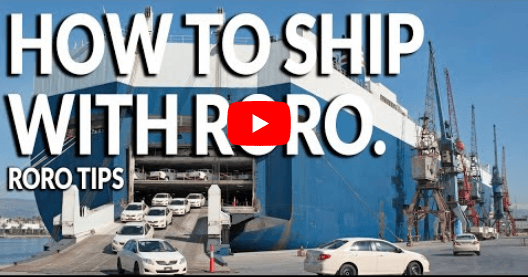
RoRo can be economical when the Tesla is fully operable and the selected carrier, departure terminal and destination terminal accept battery-electric vehicles. EV acceptance must be confirmed for the exact sailing.
- Vehicle normally must start, steer and brake
- Terminal rules may require a specific battery state of charge
- Loose personal cargo is generally restricted
- Damaged-battery vehicles may be refused
- Availability varies by carrier and port
Major U.S. Ports Used for Tesla Exports
| U.S. Gateway | Best For | Planning Note |
|---|---|---|
| Baltimore, Maryland | Europe, Africa, Middle East vehicle routes | Major vehicle-export gateway; EV acceptance depends on carrier |
| Newark / New York, New Jersey | Europe, Mediterranean, Africa | Strong Northeast access for container and selected vehicle services |
| Savannah / Brunswick, Georgia | Africa, Europe and selected global vehicle routes | Useful for Southeast and auction/dealer pickups |
| Jacksonville, Florida | Caribbean, Latin America and selected overseas routes | Vehicle-routing availability varies by carrier |
| Port Everglades, Florida | Caribbean and selected international routes | Often useful for South Florida origin vehicles |
| Houston / Galveston, Texas | Middle East, Africa and selected global routes | Practical for Texas and central U.S. pickup |
| Los Angeles / Long Beach, California | Asia-Pacific destinations | Natural West Coast option for many Pacific routings |
The final departure port is based on the Tesla’s pickup location, shipping method, carrier EV rules and destination—not simply the nearest seaport.
Popular Destination Ports for Tesla Shipping
There is no single “Tesla destination port.” We select the arrival gateway after confirming the destination country and current carrier service. Examples that can be relevant include:
Europe
Bremerhaven, Rotterdam, Antwerp, Southampton and other major European gateways depending on final country and service.
Middle East
Jebel Ali is a major UAE gateway, with other Gulf ports used according to the destination and carrier.
Africa
Tema, Lagos/Tin Can-area terminals, Mombasa, Dar es Salaam, Durban and other regional gateways depending on route.
Asia
Busan, Kaohsiung, Singapore and other Asian gateways may be used where EV import and carrier rules allow.
Caribbean
Routing can use Florida gateways to selected island ports, subject to Tesla import eligibility and local charging/service considerations.
Oceania / Pacific
Container routing may be available to selected ports, but local vehicle standards and right-/left-hand-drive requirements should be checked first.
How Much Does It Cost to Ship a Tesla from the USA?
A realistic planning range for many standard Tesla exports is approximately $1,800–$5,500+ for U.S. inland movement plus international shipping, but a Cybertruck, damaged Tesla, remote pickup, specialized container load or difficult destination can cost more. Destination taxes and registration costs are normally separate.
| Cost Factor | Why It Changes the Rate |
|---|---|
| Tesla model | Model 3/Y usually occupy less space than Model X or Cybertruck |
| Pickup ZIP code | Distance to the export warehouse or port affects inland trucking |
| Running condition | Non-running vehicles may require winching, skates, forklifts or special loading |
| Battery condition | Damaged or defective high-voltage batteries can trigger carrier restrictions |
| Shipping method | RoRo, single-container and shared-container pricing differ |
| Destination port | Ocean freight and transshipment vary by trade lane |
| Vehicle dimensions | Cybertruck and Model X can create higher inland/ocean handling costs |
| Destination charges | Taxes, customs, terminal fees, storage and local delivery are generally separate |
For a route-specific estimate, send the VIN, model, pickup ZIP, condition and destination country/port.
How to Ship Your Tesla from the USA
1. Send the Tesla Details
Provide VIN, model, year, pickup ZIP, destination, running condition and any accident/battery information.
2. Confirm EV Import Eligibility
Check destination rules for EV age, steering position, safety/emissions-equivalent standards, charging compatibility, duties and registration.
3. Select Container or Eligible RoRo
We check the current carrier and terminal rules for the exact Tesla and route.
4. Arrange Safe U.S. Pickup
An operable vehicle can be collected by suitable auto transport. Non-running or damaged Teslas may require flatbed/winch planning consistent with Tesla transporter guidance.
5. Complete U.S. Export Documents
Coordinate title/ownership documents, AES/EEI filing and carrier paperwork before export cutoff.
6. Load, Sail and Release
The Tesla is loaded under the confirmed method, shipped to the destination port and released after local customs/terminal requirements are completed.
See our detailed guide on how to ship a Tesla overseas.
Shipping a Tesla from Copart, IAA or a Dealer
All TransportDepot can arrange pickup from Copart, IAA, Manheim, dealerships, storage yards and private sellers. Auction Teslas require extra attention because “runs and drives” does not necessarily mean the high-voltage system is undamaged or that an ocean carrier will accept the vehicle.
Send us:
- VIN and Tesla model
- Auction and lot number
- Buyer number and release status
- Key-card/key availability
- Whether the touchscreen and low-voltage system power on
- Whether the vehicle rolls, steers and brakes
- Photos of front, rear, both sides and damaged areas
- Any known battery, underbody, fire or flood damage
Tesla Transport Mode, Loading and Pickup
Tesla’s current transporter guidance recommends a flatbed truck or comparable transport vehicle when a Tesla must be moved by road carrier, and warns against transporting it with wheels spinning on the ground. For short repositioning or winching, the vehicle’s Tow/Transport Mode may be used according to the owner’s manual for the exact model.
Operable Tesla
- Keep a working key card/phone key available
- Make sure the vehicle has sufficient low-voltage power for terminal handling
- Remove personal belongings
- Follow the booked carrier’s battery-charge instruction
- Disable features only when instructed for transport
Non-Running Tesla
- Tell us before pickup
- Confirm whether the wheels roll freely
- Disclose low-voltage or touchscreen failure
- Use appropriate winching/skates/dollies or flatbed equipment
- Provide battery/underbody damage details
Tesla Models We Ship
Tesla Model 3
Compact sedan dimensions usually make the Model 3 one of the more straightforward Teslas for container or eligible RoRo planning.
Tesla Model Y
Popular crossover; pricing is influenced by SUV dimensions and the same carrier EV rules that apply to other battery-electric vehicles.
Tesla Model S
Higher-value sedan often shipped by container when customers want enclosed ocean transport.
Tesla Model X
Larger dimensions can increase inland and ocean cost; container fit and loading method should be checked in advance.
Tesla Cybertruck
Oversize dimensions and weight require route-specific inland, container and terminal planning; it should not be priced like a Model 3.
Older / Specialty Teslas
Roadster and specialty vehicles can be quoted individually based on dimensions, value, battery condition and destination eligibility.
Destination Import Rules Matter More for EVs
Before buying or exporting a U.S.-spec Tesla, confirm that it can actually be imported, registered, charged and serviced in the destination country. Rules may involve vehicle age, steering position, homologation, lighting, charging connector standards, customs valuation, battery documentation and local inspection.
All TransportDepot coordinates transportation and U.S. export handling, but does not guarantee destination import approval, tax treatment, registration or charging compatibility. Those should be confirmed before the vehicle sails.
Why Ship a Tesla with All TransportDepot?
- Nationwide U.S. pickup from homes, dealers and auctions
- Tesla and EV-specific condition review before booking
- Container shipping plus route-dependent RoRo coordination
- Major U.S. export-port routing
- Title and AES/EEI export-document coordination
- Non-running and damaged-vehicle planning
- Destination-port planning based on the actual route
- Itemized current shipping quotes
Frequently Asked Questions
How much does it cost to ship a Tesla from the USA?
A useful planning range for many shipments is about $1,800–$5,500+, but final pricing depends on Tesla model, pickup ZIP, running condition, battery condition, shipping method and destination port.
Can a Tesla be shipped by RoRo?
Sometimes. The selected ocean carrier and both terminals must accept battery-electric vehicles for that route and sailing. EV acceptance is not assumed.
Is container shipping better for a Tesla?
Container service is often preferred for high-value, non-running, damaged, specialty or auction Teslas because it offers enclosed ocean transport and greater loading flexibility.
What battery percentage should my Tesla have?
Follow the written requirement for your booked carrier and terminal. Do not rely on a universal percentage because state-of-charge rules can vary.
Can you pick up a Tesla from Copart or IAA?
Yes. Provide the VIN, lot number, buyer number, release status, key status, running condition and damage information so the correct pickup equipment can be arranged.
Can you ship a non-running Tesla?
Potentially, usually with special pickup/loading planning and often by container. Battery and underbody condition must be disclosed, and the carrier must approve the vehicle.
Which U.S. port will my Tesla ship from?
Common gateways include Baltimore, Newark/New York, Savannah/Brunswick, Jacksonville, Port Everglades, Houston/Galveston and Los Angeles/Long Beach. We choose the port based on pickup location, destination, service and EV acceptance.
Are destination taxes included?
Usually not. Import duty, VAT/GST, customs, terminal charges, storage, registration and local delivery are separate unless specifically included in writing.
Get a Tesla Shipping Quote from the USA
Send your VIN, Tesla model, pickup ZIP code, running condition, battery/damage status and destination country or port. All TransportDepot will check the practical current route and shipping method.
Check vehicle shipping rates or contact our team for a Tesla-specific export quote.

Asif Iqbal serves as IT Manager & Export Services Coordinator with All TransportDepot Inc., an FMC-licensed and bonded NVOCC (License No. 021693). He supports the company’s technology systems, digital operations, shipment coordination, and export services across vehicle shipping, heavy machinery, containers, project cargo, and international ocean freight. His role combines operational technology with practical export support, helping streamline shipment information, documentation, routing, and customer service for cargo moving from the United States to destinations worldwide.