
Quick Answer: Shipping Lines to U.S. Virgin Islands from the USA
The U.S. Virgin Islands comprise St. Thomas, St. Croix and St. John, but those islands do not share one commercial container terminal. St. Thomas receives cargo at Crown Bay, St. Croix has dedicated container facilities, and smaller St. John cargo can require a regional or inter-island transfer. Tropical Shipping offers Published Florida regional sailings to St. Thomas and St. Croix, with a three-day Port of Palm Beach–St. Croix voyage in the 2026 schedule.
USA TO U.S. VIRGIN ISLANDS | CARRIERS, PORTS AND TRANSIT
Shipping Lines to U.S. Virgin Islands from the USA
All TransportDepot Inc., an FMC-licensed and bonded NVOCC (#021693) based in Tucker, Georgia, arranges international cargo and export coordination. Our shipping services compare actual carrier routes, equipment and port acceptance.
🚢 Vehicle Shipping Calculator
Place an online request →
Ocean Shipping to U.S. Virgin Islands
The U.S. Virgin Islands comprise St. Thomas, St. Croix and St. John, but those islands do not share one commercial container terminal. St. Thomas receives cargo at Crown Bay, St. Croix has dedicated container facilities, and smaller St. John cargo can require a regional or inter-island transfer.
Choosing the destination terminal is as important as selecting a carrier. A direct vessel can call at intermediate ports while keeping the same container onboard. A through shipment can instead transfer the container at a hub or move onward by feeder. Ask for the full itinerary.
Full Containers
20-foot and 40-foot dry, reefer or specialist equipment depends on the commodity, equipment availability and loading limits.
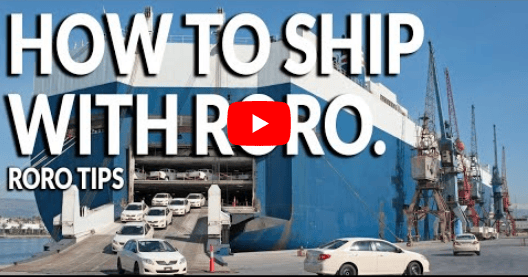
Vehicles and RoRo
A vehicle needs a verified loading method, correct U.S. title and a legally permitted destination import. Non-running units require approval.
Machinery
Heavy or oversized cargo may need flat racks, dedicated lifting equipment and an approved discharge plan.
Which Shipping Lines Serve U.S. Virgin Islands?
The carriers below have documented service coverage. Distinguish actual U.S. vessel calls from network bookings through a transshipment hub.
Tropical Shipping
Cargo: Containers, LCL and approved general cargo. USA load ports: Port of Palm Beach, Florida (East Coast). Routing: Published Florida regional sailings to St. Thomas and St. Croix, with a three-day Port of Palm Beach–St. Croix voyage in the 2026 schedule. Carrier service information.
Crowley
Cargo: Containers, approved vehicles, project cargo. USA load ports: Port Everglades, Florida (East Coast). Routing: 2026 Port Everglades list identifies St. Thomas and St. Croix as regular destinations; local terminal named in booking. Carrier service information.
TOTE Maritime USVI
Cargo: Container and approved private vehicles. USA load ports: Jacksonville, Florida (East Coast). Routing: Through booking via San Juan, Puerto Rico, to St. Thomas or St. Croix; no nonstop Jacksonville-to-islands vessel is implied. Carrier service information.
A St. Croix terminal and a St. Thomas terminal are different bookings. Verify any St. John final ferry/cargo leg and non-running vehicle acceptance with the carrier.
For separate pricing and vehicle-loading requirements, see container shipping to U.S. Virgin Islands and RoRo and car shipping to U.S. Virgin Islands.
Typical U.S. Routing and Port-to-Port Transit
The U.S. Virgin Islands comprise St. Thomas, St. Croix and St. John, but those islands do not share one commercial container terminal. St. Thomas receives cargo at Crown Bay, St. Croix has dedicated container facilities, and smaller St. John cargo can require a regional or inter-island transfer.
| U.S. gateway | Typical ocean itinerary | Planning range |
|---|---|---|
| Port of Palm Beach to St. Croix | Tropical regional direct voyage | About 3–5 days |
| Port Everglades to St. Thomas | Crowley regional vessel rotation | About 4–8 days |
| Jacksonville to USVI | TOTE through San Juan plus island leg | About 7–20 days |
These are broad estimates, not real-time vessel commitments. Origin pickup, terminal cutoffs, customs clearance and inland delivery are additional. Ask the carrier about the booked voyage, transfer point and cargo-receiving deadline.
U.S. Virgin Islands Customs and Import Requirements
The USVI is a U.S. territory but outside the mainland customs territory. U.S. Customs and Border Protection and local Virgin Islands Bureau of Internal Revenue requirements should be checked before cargo release. Certain mainland-to-USVI shipments require AES/EEI export reporting even though they stay within U.S. sovereignty.
The invoice, packing list, bill of lading and accurate consignee details should match. The importing party must check any commodity permits, inspection certificates and customs valuation issues before shipment. Vessel acceptance does not establish customs eligibility.
Vehicle Import Rules and Compliance
USVI Bureau of Motor Vehicles generally requires an original title, ID, insurance, applicable Highway User Tax and local inspection or registration procedures. A lienholder approval may be needed for a financed vehicle. Vehicle arrivals at St. Croix and St. Thomas are handled separately.
For vehicles, confirm manufacture year, VIN, ownership title, finance/lien status, condition and local inspection needs. The carrier may accept a shipment that the destination cannot legally release, so check restrictions before a U.S. auction purchase.
Reference: official customs or vehicle information, supplemented by a local importer or broker.
Selecting the Best U.S. Loading Port
South Florida is the first gateway to compare for direct regional service; Jacksonville may suit TOTE’s San Juan connection. Name the actual destination island, because a St. Thomas discharge does not automatically include St. John delivery.
The nearest U.S. port may not offer the best actual arrival. Compare vessel departure dates, trucking distance, warehouse release timing and any feeder connection. A heavy or non-running unit may require lifting equipment at pickup.
How a Shipment Reaches U.S. Virgin Islands
1. Identify the cargo
Provide dimensions, value and commodity, or vehicle VIN, year, title and operating condition.
2. Verify import eligibility
Have the consignee confirm customs requirements and required advance permits.
3. Select the carrier itinerary
Choose a bookable U.S. terminal, ocean service and the correct discharge berth.
4. Arrange export paperwork
Complete AES/EEI when applicable and U.S. used-vehicle title export formalities.
5. Deliver and track
Meet vessel cutoffs and monitor the mainline and any feeder leg.
6. Clear and collect
The importer or broker handles destination documents, terminal release and delivery.
Main U.S. Virgin Islands Ports and Cargo Facilities
Crown Bay, St. Thomas
Charlotte Amalie-area container/general cargo gateway, distinct from the cruise facilities.
Wilfred Allick Container Port, St. Croix
Container terminal near Christiansted for commercial import and export freight.
St. John / Cruz Bay–Enighed Pond
Smaller island facilities with local cargo or ferry handling and specialized connections.
Container, RoRo and project-cargo operations can use separate terminals within the same city. Confirm the actual berth and local trucking arrangements on the carrier booking.
Booking Direct with a Line vs. an NVOCC
Some vessel operators accept individual rate requests; other carrier services require a commercial account. A direct booking still needs the correct U.S. export filing and destination import declaration.
All TransportDepot Inc. can coordinate inland U.S. pickup, compare eligible carrier routes and work with authorized parties on export records. An NVOCC contracts for ocean carriage without necessarily owning the vessel; no automatic contract-price saving is promised.
Documents Before Loading
Shipper/consignee, commercial invoice, packing list, cargo or VIN details, bill of sale and any export filings.
Documents at Arrival
Bill of lading, importer identification, customs declaration, inspection certificates and terminal-release records.
Frequently Asked Questions About Shipping Lines to U.S. Virgin Islands
Tropical Shipping and Crowley offer regional USVI cargo service, while TOTE connects Jacksonville through San Juan.
No. St. Thomas uses Crown Bay; St. Croix has the Wilfred Allick Container Port. They require separate bookings.
Some island freight may need a local feeder or ferry. Confirm the exact St. John terminal and onward handling with the carrier.
Tropical’s 2026 schedule lists about three days from Port of Palm Beach. Other services can have different routes.
Mainland-to-USVI cargo can still require export reporting under the applicable EEI rules, depending on commodity and value.
USVI vehicle registration commonly requires this tax evidence, as well as title, insurance and local registration documentation.
Request Shipping Service to U.S. Virgin Islands
Send All TransportDepot Inc. the U.S. pickup ZIP, cargo type, container or RoRo requirement and destination city. Include dimensions and vehicle running condition.

Asif Iqbal serves as IT Manager & Export Services Coordinator with All TransportDepot Inc., an FMC-licensed and bonded NVOCC (License No. 021693). He supports the company’s technology systems, digital operations, shipment coordination, and export services across vehicle shipping, heavy machinery, containers, project cargo, and international ocean freight. His role combines operational technology with practical export support, helping streamline shipment information, documentation, routing, and customer service for cargo moving from the United States to destinations worldwide.