
Quick Answer: Shipping Lines to Poland from the USA
MSC’s Albatros service is documented between Gdańsk and U.S. East Coast ports, but the published direct direction is chiefly Poland-to-USA. U.S.-origin cargo may connect via Bremerhaven or another northern European terminal. Gdańsk Baltic Hub and Gdynia handle different cargo and require distinct discharge bookings.
USA TO POLAND | SHIPPING LINES AND TRANSIT
Shipping Lines to Poland from the USA
Poland’s Baltic ports receive deep-sea container calls and North Sea feeder connections. Published direct Poland-to-USA rotations must not be mistaken for identical eastbound USA-to-Poland routings. All TransportDepot Inc., an FMC-licensed and bonded NVOCC (#021693) in Tucker, Georgia, can coordinate pickup and ocean booking.
🚢 Vehicle Shipping Calculator
Place an online request →
Shipping from the USA to Poland
Gdańsk’s Baltic Hub provides deep-water container berths, while Gdynia has its own container and RoRo infrastructure. For U.S. imports, the decisive factor is the eastbound schedule and feeder acceptance. The fact that a Polish ship sails directly westbound to New York does not establish the reverse voyage.
Ocean shipping must be planned by the actual terminal rather than the destination country alone. A direct vessel may make intermediate port calls, while a through booking can involve a transfer even if it is sold under one carrier name. Ask for both vessel legs and their cutoffs.
Full Containers
Suitable for secured commercial cargo and eligible vehicles; choose equipment after checking size and weight.
RoRo Vehicles
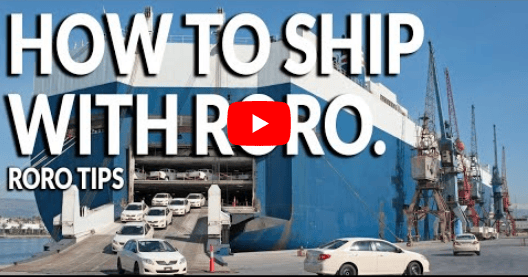
Confirm a real drive-on vessel, vehicle condition requirements and receiving terminal before inland pickup.
Oversized Freight
Heavy machinery may need flat rack, breakbulk space and separate loading approval.
Verified Shipping Lines Serving Poland
These operators have carrier or port evidence of relevant service. Each entry identifies cargo type, typical U.S. gateway and whether the cargo stays aboard or uses a hub.
MSC Albatros
Cargo: Container. U.S. ports: New York and Charleston — East Coast. Direct / connection: Gdańsk port authority documents direct Gdańsk-to-USA westbound service; the U.S. import direction may need a North European hub.
Maersk
Cargo: Container. U.S. ports: East Coast U.S. gateways through its container network. Direct / connection: Through booking to Gdańsk via a northern European hub, such as Bremerhaven; confirm the feeder leg.
The cited MSC Gdańsk–USA rotation is westbound. A direct eastbound USA-to-Gdańsk vessel and regular dedicated USA-to-Gdynia RoRo service remain unverified.
Compare methods and prices separately: container shipping to Poland and RoRo / car shipping to Poland.
Typical U.S. Routes and Port-to-Port Transit
The Port of Gdańsk documents an MSC Albatros transatlantic extension chiefly in the Poland-to-USA direction. Do not label a reverse New York-to-Gdańsk booking direct without checking its actual rotation. U.S.-origin cargo can connect at Bremerhaven or another North European port.
| U.S. departure | Likely route | Port-to-port estimate |
|---|---|---|
| New York / Charleston | Atlantic mainline plus northern Europe connection | About 20–38 days |
| Savannah / Houston | Mainline and possible feeder to Baltic Hub | About 25–45 days |
| Los Angeles / Oakland | Long intermodal or ocean connection | About 40–65 days |
Ranges are estimates, not vessel promises. They exclude pickup, terminal waiting, import clearance and inland delivery. A connection missed by a day may mean waiting until the next feeder.
Poland Customs and Import Documentation
Poland is in the European Union customs territory. U.S. imports require commodity classification, customs value and an EU import declaration. Commercial importers normally use EORI identification and a licensed customs representative where needed.
Provide an invoice or ownership record, accurate cargo description, bill of lading and consignee details. Confirm with the importing broker which permits, origin declarations or inspections are necessary. Customs valuation is separate from ocean transit and vessel choice.
Vehicle Import Eligibility in Poland
A U.S. vehicle imported into Poland may need import customs clearance, VAT and applicable Polish vehicle excise, followed by road registration and technical documents. European type approval must not be assumed from a U.S. registration document.
For a vehicle, confirm VIN, year, ownership title, lien status and running condition, and ask whether the terminal accepts non-running units. Carrier acceptance does not establish customs admissibility or permission to register the car.
Reference: official customs or vehicle guidance. If the exact eligibility is uncertain, obtain confirmation from the importer or destination customs broker.
Choosing the U.S. Load Port
New York and Charleston are relevant to the documented MSC route. For a Warsaw or southern Poland consignee, compare rail connections from Gdańsk against Gdynia discharge; both are distinct ports.
Nearest seaport and best vessel schedule can be different. Confirm the receiving cutoff and freight acceptance before arranging a truck. Keep inland pickup time separate from port-to-port ocean transit.
Step-by-Step Shipping Process to Poland
1. Check Cargo
Collect size, weight and commodity details, or VIN, title and vehicle condition.
2. Verify Import Rules
Confirm destination permits and eligibility with the importer before buying or dispatching.
3. Confirm Vessel
Book the U.S. terminal, carrier, discharge port and any transshipment.
4. Prepare Export Documents
Arrange applicable AES/EEI, invoices and U.S. used-vehicle export procedures.
5. Load and Track
Meet the terminal cutoff and track any feeder connection and arrival change.
6. Clear and Collect
The importer or broker handles destination customs and terminal release.
Main Ports in Poland and Their Cargo
Baltic Hub, Gdańsk
Deepwater container terminal with rail access to central Europe.
Gdynia
Container, general freight and vehicle/RoRo-handling cargo port.
Szczecin–Świnoujście
Western Baltic port complex handling general cargo, ferries and regional freight.
The actual discharge berth appears on the booking and arrival notice. Different ports may handle containers and RoRo differently; do not substitute one terminal for another after the carrier issues its instructions.
Booking a Carrier Directly or Using an NVOCC
Individuals can request quotations from some shipping lines, but account and cargo rules vary. A direct booking does not remove export obligations such as AES/EEI where applicable, nor the destination importer’s customs duties.
All TransportDepot Inc. can compare suitable ocean routes, coordinate inland collection and work with authorized filing parties. An NVOCC contracts for carriage without necessarily owning vessels; it cannot promise that its rate is always lower than a direct rate.
U.S. Export Documents
Shipper and consignee details, invoice, packing list, booking, title/VIN for cars, and export filing where required.
Destination Release
Bill of lading, import declaration, applicable inspection or permits, and local broker/port-release instructions.
Frequently Asked Questions: Shipping Lines to Poland
Gdańsk’s port authority confirms MSC Albatros westbound sailings toward New York and Charleston. The reverse USA-to-Poland route must be checked separately.
Baltic Hub in Gdańsk handles deep-sea containers. Gdynia also handles containerized and other cargo.
Polish ports handle RoRo vessels, but a dedicated U.S.-to-Poland RoRo departure was not verified. Confirm the carrier or use an eligible container booking.
East Coast departures are the normal comparison for Atlantic and Baltic connections. West Coast cargo often adds time or an inland move.
Yes. Import customs and VAT generally apply, with additional Polish registration and possible excise requirements.
No. They are different ports with separate terminals and discharge instructions. Use the exact port named on the bill of lading.
Request a Shipping Line Quote to Poland
Send All TransportDepot Inc. your U.S. pickup ZIP, cargo type, container or RoRo preference, and destination city in Poland. Include VIN and running condition for vehicles.

Asif Iqbal serves as IT Manager & Export Services Coordinator with All TransportDepot Inc., an FMC-licensed and bonded NVOCC (License No. 021693). He supports the company’s technology systems, digital operations, shipment coordination, and export services across vehicle shipping, heavy machinery, containers, project cargo, and international ocean freight. His role combines operational technology with practical export support, helping streamline shipment information, documentation, routing, and customer service for cargo moving from the United States to destinations worldwide.