
Quick Answer: Shipping Lines to The Gambia from USA
Maersk’s September 2026 West Africa network identifies WAF12 running from Tangier to Banjul. Cargo originating in the United States normally first reaches Tangier on a transatlantic/mainline service, then transfers to the feeder.
USA TO THE GAMBIA | OCEAN ROUTES, PORTS AND CARRIERS
Shipping Lines to The Gambia from the USA
Banjul on the Gambia River estuary is the country’s principal container and general cargo seaport. Inland destinations such as Brikama or Farafenni need separate road and customs arrangements. All TransportDepot Inc. is an FMC-licensed and bonded NVOCC (#021693) in Tucker, Georgia, arranging international cargo and export coordination.
🚢 Vehicle Shipping Calculator
Place an online request →
Ocean Shipping from the USA to The Gambia
Banjul on the Gambia River estuary is the country’s principal container and general cargo seaport. Inland destinations such as Brikama or Farafenni need separate road and customs arrangements.
The choice of discharge port depends on the consignee’s city, terminal capability and current liner schedule. Direct carriage may still include intermediate stops, while a through booking can involve transferring the container onto a second vessel. Ask for all legs and cutoffs before arranging domestic pickup.
Full Containers
Available 20-foot or 40-foot dry, reefer or specialty equipment depends on weight, cargo classification and terminal capacity.
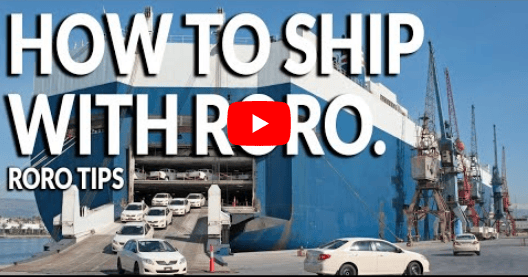
Vehicles and RoRo
Drive-on shipment requires a named vehicle-capable vessel, suitable running condition, original title and destination customs eligibility.
Heavy Machinery
Large or non-running equipment may need flat-rack or breakbulk loading, additional securing and a port-approved lift plan.
Shipping Lines Serving The Gambia
These carriers provide documented service coverage. Carrier participation in an opposite-direction service does not prove a direct U.S.-origin voyage.
Maersk WAF12
U.S. gateway: U.S. East Coast through a North Atlantic mainline. Ocean routing: 2026 Tangier-to-Banjul regional feeder; no direct U.S. vessel is implied. Carrier service information.
CMA CGM West Africa network
U.S. gateway: U.S. East/Gulf network to Europe or Morocco. Ocean routing: Through-booking possibilities via Atlantic/Mediterranean hub; confirm a named Banjul call. Carrier service information.
No direct regular U.S.–Banjul private-car RoRo voyage was verified. A feeder connection or local vehicle terminal does not prove one.
Our separate container shipping service to The Gambia and RoRo/vehicle shipping service provide cargo-method requirements and rate options.
USA Departure Routes and Transit Time Estimates
| U.S. load port | Ocean itinerary | Planning range |
|---|---|---|
| New York / Norfolk | Atlantic to Tangier then WAF12 to Banjul | 28–50 days |
| Savannah / Houston | Europe/Morocco relay plus feeder | 33–60 days |
| Los Angeles / Oakland | Long transshipment to West Africa | 45–75 days |
The ranges above are approximate port-to-port planning times, not real-time departures or guarantees. U.S. pickup, container stuffing, port cutoff, feeder waiting, local customs and onward road delivery are additional. A missed connection can add several days or longer.
We recommend confirming the vessel name, direction, transshipment port, destination terminal code and expected cargo availability before committing to a vehicle purchase or inland haul.
The Gambia Customs Documentation and Release
The Gambia Revenue Authority handles customs clearance. An importer or licensed broker should check invoice, bill of lading, valuation, tariff classification and whether an inspection or commodity permit applies. A port booking alone does not guarantee release.
Common shipping records are the commercial invoice, packing list, bill of lading, importer details and accurate HS commodity classification. Import taxes, port fees and regulated-product permits should be confirmed by the licensed local customs representative instead of being inferred from a shipping quote.
Vehicle Eligibility, Titles and Inspections
No current reliable official blanket used-car age prohibition was established for this update. Have the Gambian importer check vehicle year, condition, customs assessment and any roadworthiness documents for the specific VIN before accepting a RoRo or container booking.
Before booking a vehicle, confirm VIN, manufacture year, original title, any finance lien, battery/fuel condition and the ability to start, steer and brake. Ocean-carrier acceptance does not establish that a used vehicle is legally eligible for customs release or local registration.
Check the relevant customs or transport authority and get a specific import decision before the cargo leaves the U.S.
Choosing the U.S. Port of Loading
For U.S. East Coast freight, the critical connection is an Atlantic sailing that catches Maersk’s Tangier–Banjul feeder. For trucks or heavy machinery, verify Banjul terminal lifting and handling capacity in advance.
A nearer U.S. terminal is not always the fastest or best ocean gateway. Compare domestic road or rail movement against the actual ship date and any intermediate vessel connection. For auction freight, confirm title release and terminal receiving requirements before arranging towing.
How USA-to-The Gambia Shipments Are Arranged
1. Confirm cargo information
Send the commodity, weight, dimensions, value and consignee location; for vehicles include VIN, title, year and running condition.
2. Verify import eligibility
The consignee or broker confirms permits, inspection, taxes and any import restrictions.
3. Select an accepted vessel
Compare container versus RoRo, the U.S. load terminal, transshipment and destination discharge.
4. Prepare U.S. export documents
Arrange invoices, applicable EEI/AES and used-vehicle title export presentations.
5. Deliver, load and track
Meet the cutoff, secure the cargo and monitor changes to the main vessel or feeder.
6. Clear and collect overseas
The importer arranges customs and local delivery after release by the terminal.
Main The Gambia Ports and Cargo Handling
Different ports within the same country can have separate vessel rotations, receiving offices, RoRo ramps and inland transport routes.
Banjul Port
Main commercial container and general freight gateway at the Gambia River mouth.
Barra
River ferry terminal opposite Banjul, not an international container port.
Farafenni inland
Inland road and river logistics destination requiring separate delivery.
Ask the operating line to show the full port and terminal on the confirmation; switching discharge ports later can create rebooking or storage costs.
Booking with a Carrier or an NVOCC
Some ocean lines offer direct quotes to individuals, while others require approved commercial accounts. Either approach still involves export reporting, title and consignee records, port cutoff times and destination customs clearance.
All TransportDepot Inc. can compare accepted ocean options, coordinate pickup and work with authorized parties on the export paperwork. An NVOCC contracts for carriage without necessarily owning vessels and does not automatically offer the lowest rate.
U.S. origin documents
Invoice, packing list, shipper/consignee details, booking, applicable AES/EEI and vehicle title/ownership records.
Destination release documents
Bill of lading, customs declaration, inspection or permit evidence, port release and final delivery details.
Frequently Asked Questions: Shipping Lines to The Gambia
Maersk lists WAF12 from Tangier to Banjul in its updated West Africa network.
No. U.S. cargo normally takes a separate mainline connection to Tangier.
Banjul is the main commercial container and general cargo seaport.
No. Barra is a local river-ferry point with different cargo facilities.
A reliable blanket cap was not verified, so the importer should confirm the exact VIN and rules with customs.
An East Coast connected itinerary can take about 28–60 days, depending on feeder waiting.
Request a Shipping Quote to The Gambia
Provide All TransportDepot Inc. your U.S. pickup ZIP, cargo type, container or RoRo preference and destination city. Add vehicle condition or equipment dimensions for route confirmation.

Asif Iqbal serves as IT Manager & Export Services Coordinator with All TransportDepot Inc., an FMC-licensed and bonded NVOCC (License No. 021693). He supports the company’s technology systems, digital operations, shipment coordination, and export services across vehicle shipping, heavy machinery, containers, project cargo, and international ocean freight. His role combines operational technology with practical export support, helping streamline shipment information, documentation, routing, and customer service for cargo moving from the United States to destinations worldwide.