
Quick Answer: Shipping Lines to Finland from the USA
Finland container imports frequently change vessels in Bremerhaven or Hamburg before a Baltic feeder reaches Kotka or Helsinki. The country has several short-sea ports but no verified routine nonstop U.S.-to-Finland container ship in this routing set. CMA CGM’s Finland Express links Bremerhaven and Hamburg to Kotka and Helsinki. Maersk’s L02 links Bremerhaven, Klaipėda and Kotka. This makes the North European feeder connection a central scheduling decision for U.S.-origin containers.
USA TO FINLAND | OCEAN CARRIERS AND PORTS
Shipping Lines to Finland from the USA
All TransportDepot Inc., an FMC-licensed and bonded NVOCC (#021693) in Tucker, Georgia, coordinates U.S. collection and international ocean bookings. We compare container and eligible vehicle options by the actual destination port.
🚢 Vehicle Shipping Calculator
Place an online request →
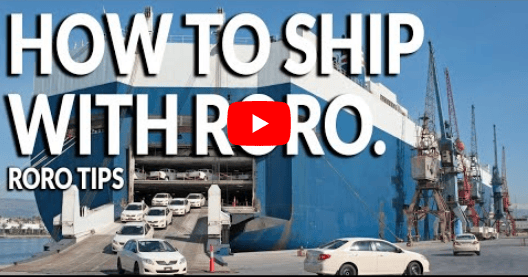
Ocean Shipping to Finland
Finland container imports frequently change vessels in Bremerhaven or Hamburg before a Baltic feeder reaches Kotka or Helsinki. The country has several short-sea ports but no verified routine nonstop U.S.-to-Finland container ship in this routing set.
Ports serving the same country can have different liner services, cargo capabilities and onward delivery distances. Direct service means the cargo remains on one ship, even with intermediate stops. Through service may involve transshipment onto a feeder vessel.
Full Containers
Suitable 20-foot and 40-foot equipment can carry dry cargo and eligible machinery, subject to booking and weight limits.
Vehicle Cargo
Select a named RoRo service only when self-propelled cargo and import eligibility are confirmed; containers are a separate method.
Project Freight
Heavy equipment may require a flat rack or breakbulk berth and a written loading plan.
Shipping Lines Serving Finland
Carrier or port records support the following destination services. Confirm the U.S. departure, exact discharge terminal and any vessel transfer before booking.
CMA CGM Finland Express (FLX)
Cargo: Containers. U.S. gateway: U.S. East Coast mainline connections to Hamburg/Bremerhaven. Direct or via hub: Weekly Bremerhaven/Hamburg to Kotka and Helsinki/Gdańsk rotation; an additional vessel is required from the USA. Service reference.
Maersk L02
Cargo: Containers. U.S. gateway: New York/Norfolk or Savannah via North Europe. Direct or via hub: Transatlantic mainline to Bremerhaven then L02 feeder through Klaipėda to Kotka. Service reference.
No regular direct USA-to-Helsinki vessel or private-car RoRo operator was verified; a RoRo berth in Finland does not by itself establish international vehicle-cargo acceptance.
For separate pricing and loading rules, use container shipping to Finland and RoRo/vehicle shipping to Finland.
USA Port-to-Port Transit and Routing
CMA CGM’s Finland Express links Bremerhaven and Hamburg to Kotka and Helsinki. Maersk’s L02 links Bremerhaven, Klaipėda and Kotka. This makes the North European feeder connection a central scheduling decision for U.S.-origin containers.
| U.S. departure | Typical itinerary | Estimated sea transit |
|---|---|---|
| New York / Norfolk | North Europe hub then Kotka/Helsinki feeder | 24–42 days |
| Savannah / Charleston | Atlantic plus Baltic connection | 28–48 days |
| Los Angeles / Oakland | Inland or long ocean connection to Europe | 40–65 days |
These are broad planning ranges, not live schedules. They do not include domestic pickup, customs, storage or inland destination delivery. Feeder waiting and vessel changes can cause further delay.
Finland Customs Documents
Finland applies EU customs and import VAT rules. The importer submits a customs declaration with bill of lading, invoice and commodity information; businesses may need EORI registration. Certain items need product approvals and correct origin records.
Normally submit a commercial invoice, packing list, commodity description, bill of lading and correct consignee identity. Product-specific permits and valuation procedures depend on the goods, not only the port.
Vehicle Eligibility and Destination Compliance
Traficom requires customs clearance for vehicles arriving from outside the EU, car-tax processing, a registration inspection and valid liability insurance. A declaration of use or transfer permit may be required before the car can be driven; U.S. cars may need evidence of technical conformity.
Verify the VIN, title, ownership, model year, operating condition and relevant road-safety requirements. The shipping carrier’s acceptance of a vehicle does not confirm its legal import eligibility.
Official reference: destination requirements. Ask the importer or licensed broker to verify uncertain details before purchase.
Choosing Your U.S. Load Port
For a Helsinki consignee, compare the quoted Hamburg/Bremerhaven feeder into Vuosaari versus Kotka followed by inland delivery. The ocean timetable must include the connecting feeder, not only the first Atlantic sailing.
An inland move to a better vessel gateway can reduce missed connections. Secure the carrier cutoff and any auction release/title requirements before scheduling the collection truck.
Shipping Procedure: USA to Finland
1. Supply cargo details
Confirm dimensions, weight, commodity or vehicle year, VIN, title and running condition.
2. Check import permission
Have the receiving broker verify age rules, permits and any pre-shipment inspection.
3. Select vessel and terminal
Confirm the named carrier, load port, direct or connecting route and final discharge.
4. File required export papers
Arrange AES/EEI where applicable and U.S. used-vehicle documentation before cutoff.
5. Deliver and track
Move cargo to the approved receiving terminal and track every sea or ferry leg.
6. Clear and collect
Importer/broker processes clearance, terminal release and onward delivery.
Main Finland Cargo Ports
Helsinki / Vuosaari
Southern Finnish container and RoRo gateway serving the capital area.
HaminaKotka / Kotka
Southeastern Finnish container and industrial cargo terminals, connected by North Sea feeders.
Rauma / Turku
Western and southwestern short-sea, RoRo and general cargo ports with regional feeder services.
Confirm the discharge berth from the actual booking. RoRo ramps, container lifts, project-cargo cranes and inland depots can be at different facilities.
Direct Carrier Booking or NVOCC
Some vessel operators accept direct individual requests; others require a business account. Both approaches require correct U.S. export reporting and compliance with the importer’s local customs rules.
All TransportDepot Inc. can coordinate carrier comparison, U.S. inland pickup and documentation with authorized parties. An NVOCC contracts for ocean carriage but does not necessarily own the ship; its contracted offer is not always cheaper than booking direct.
U.S. Export Documents
Commercial invoice, consignee and commodity details, booking and any AES/EEI or vehicle title filing.
Destination Release
Bill of lading, import permits, local customs declaration, inspection records and terminal pickup instructions.
Frequently Asked Questions About Shipping Lines to Finland
CMA CGM and Maersk have Baltic feeder coverage from Germany to Finland. The U.S. cargo usually uses a transatlantic mainline first.
Yes. CMA CGM lists Kotka and Helsinki in its weekly FLX feeder loop linked with Hamburg and Bremerhaven.
The published L02 service calls Bremerhaven, Klaipėda and Kotka; U.S. cargo must first reach the North European hub.
No. Helsinki/Vuosaari serves the capital region, while Kotka lies southeast. Confirm the actual discharge facility.
Traficom requires registration inspection, relevant car-tax and customs processing, plus liability insurance. Technical proof may be needed.
Allow roughly 24–48 days from the U.S. East Coast when a German feeder connection is involved.
Request a Shipping Route to Finland
Send All TransportDepot Inc. the U.S. pickup ZIP, cargo type, container or RoRo preference and destination city. Add vehicle condition and dimensions when relevant.

Asif Iqbal serves as IT Manager & Export Services Coordinator with All TransportDepot Inc., an FMC-licensed and bonded NVOCC (License No. 021693). He supports the company’s technology systems, digital operations, shipment coordination, and export services across vehicle shipping, heavy machinery, containers, project cargo, and international ocean freight. His role combines operational technology with practical export support, helping streamline shipment information, documentation, routing, and customer service for cargo moving from the United States to destinations worldwide.