
Quick Answer: Which Shipping Lines Serve Egypt from the USA?
Maersk’s 2026 SLB service added Damietta and links it with Rotterdam, Bremerhaven, Antwerp, Alexandria and Port Said. U.S.-origin cargo normally first reaches a European connection; a European-to-Egypt direct call is not automatically a USA-to-Egypt direct vessel.
USA TO EGYPT | OCEAN CARRIERS, ROUTES AND PORTS
Shipping Lines to Egypt from the USA
Egypt’s Mediterranean container gateways include Alexandria, Dekheila, Damietta and Port Said; Ain Sokhna is on the Gulf of Suez. These ports have different liner schedules and import document processes. All TransportDepot Inc. is an FMC-licensed and bonded NVOCC (#021693) coordinating international cargo and export services from Tucker, Georgia.
🚢 Vehicle Shipping Calculator
Place an online request →
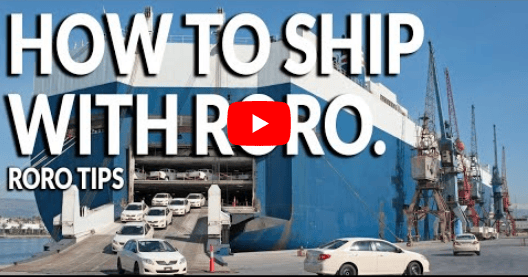
Ocean Freight and Vehicle Shipping to Egypt
Our Egypt shipping services depend on cargo type and the actual receiving terminal. Egypt’s Mediterranean container gateways include Alexandria, Dekheila, Damietta and Port Said; Ain Sokhna is on the Gulf of Suez. These ports have different liner schedules and import document processes.
A direct ocean service keeps the cargo aboard one vessel, even with intermediate port calls. A through bill of lading may instead cover transshipment between a mainline and a feeder. We confirm the distinction before arranging U.S. inland collection or export-terminal delivery.
Full Container Loads
20-foot and 40-foot dry or reefer units are subject to commodity acceptance, available equipment, gross weight and port limitations.
Cars and RoRo
Self-propelled cargo requires an accepted vehicle-capable sailing and clearance at the destination. Non-running or salvage vehicles need separate review.
Heavy Machinery
Overheight, overweight or unusually shaped equipment may require flat rack or breakbulk arrangements, lift planning and terminal approval.
Shipping Lines Serving Egypt from U.S. Ports
Each operator below has published relevant route or port coverage. Shipping-line names alone do not verify a nonstop voyage; use the U.S. load port, port sequence and final terminal in the booking.
Maersk SLB North Sea
Typical U.S. origin: New York/Norfolk through northern Europe. Connection: Rotterdam, Bremerhaven or Antwerp connection then SLB vessel to Alexandria, Damietta and Port Said. Carrier or service source.
Hapag-Lloyd / Gemini Egypt network
Typical U.S. origin: U.S. East Coast global container network. Connection: Transatlantic and European/Mediterranean links to Egyptian terminals; confirm exact feeder and final berth. Carrier or service source.
No dedicated U.S.–Egypt private-car RoRo voyage is claimed. Import eligibility is separate from a European container feeder’s cargo acceptance.
For method-specific cargo requirements, see our separate container shipping service to Egypt and RoRo shipping service to Egypt. These services may use different vessels and terminals.
U.S. Departure Routes and Port-to-Port Transit Estimates
| U.S. load area | Expected ocean connection | Indicative port-to-port range |
|---|---|---|
| New York / Norfolk | North Atlantic and SLB connection to Egypt | 25–45 days |
| Houston / Savannah | Mainline and Mediterranean relay | 30–55 days |
| Los Angeles / Oakland | Inland or long global ocean connection | 40–65 days |
These time bands are broad planning estimates rather than real-time sailing offers. Their meaning is from the nominated U.S. load terminal until ocean discharge, not from a customer doorstep to final delivery. Inland pickup, vessel cutoff, transshipment waiting, customs and onward road delivery can add time.
Confirm the dated voyage, vessel name, feeder connection and expected terminal availability before paying auction storage or trucking charges. A published reverse-direction export rotation is not evidence of the same U.S.-to-Egypt return itinerary.
Egypt Customs Clearance and Import Documents
Egypt requires the Advance Cargo Information (ACI) process through Nafeza and an ACID shipment number before loading, referenced in documents. The importer should arrange the code and validate commercial invoice, origin documents, packing list and shipping paperwork early. Cargo without correct ACI documentation may be refused or re-exported.
Normally prepare the commercial invoice or ownership proof, packing list where relevant, bill of lading, accurate HS classification, shipper and consignee details, and any cargo-specific permit. Import duties, local taxes, terminal charges and inspections are separate from ocean freight and must be confirmed by the importer or customs representative.
Used Vehicles, Equipment and Compliance
U.S. Commerce import guidance says used cars are generally restricted and ordinary used vehicles are only permitted under narrow recent-model conditions. Do not assume any U.S. auction car is admissible: have the importer confirm model year, importer status, approvals and ACID before an ocean booking.
Before shipping a vehicle, check VIN, build year, original title, lienholder release, running condition, dimensions and any battery or dangerous-goods declaration. An ocean carrier can accept a vehicle that is not eligible for registration or customs release. Written destination confirmation should precede a purchase or export booking.
For regulatory details, consult the relevant customs or vehicle authority and obtain consignment-specific advice from a local importer or customs broker.
Choosing a U.S. Loading Port
For a New York-origin container, ask whether the vessel connects at Rotterdam or Antwerp onto SLB. For an Ain Sokhna destination, do not use a Damietta arrival as if the terminals were the same.
For inland cargo, compare the nearest seaport against another U.S. gateway with more suitable vessel space. The shorter domestic truck leg may lose time to an infrequent connection. Confirm equipment, container stuffing, title clearance and the nominated receiving cutoff before dispatching a driver.
How All TransportDepot Arranges a Shipment to Egypt
1. Confirm cargo particulars
Supply dimensions, weight, commodity and destination city; for vehicles include VIN, year, title and operating condition.
2. Check destination permissions
Verify the consignee’s import eligibility, any conformity certificates, inspections and permits before cargo moves.
3. Select the ocean itinerary
Compare named vessel services and the correct U.S. departure, transfer hub and destination terminal.
4. Prepare export filings
Arrange applicable AES/EEI, invoices, packing lists and used-vehicle export-title presentation.
5. Deliver and track the freight
Meet terminal cutoffs, monitor mainline/feeder legs and update the consignee about revised arrival information.
6. Clear and collect locally
The importer or appointed broker pays assessed charges, obtains terminal release and arranges final delivery.
Main Egypt Ports and Cargo Facilities
Terminal location matters. A country may have multiple ports with separate liner berths, customs offices, gate schedules and inland distribution corridors.
Alexandria / Dekheila
Northern coast industrial and container import terminals.
Damietta
Nile Delta Mediterranean container port with North European connections.
Port Said / Ain Sokhna
Suez Canal Mediterranean and Gulf of Suez gateways on different sides of the canal.
Confirm the exact terminal code on the carrier’s booking. A container terminal, vehicle ramp and heavy-cargo berth may occupy different facilities even when they share a port city.
Booking an Ocean Carrier Directly or Through an NVOCC
Some ocean lines quote directly to individuals; others require an approved account or logistics intermediary. A direct booking does not remove the need for U.S. export reporting, vehicle documents, terminal cutoffs, or destination customs clearance. Confirm precisely which party files each declaration.
All TransportDepot Inc. can compare eligible carrier options, coordinate domestic pickup, prepare shipment records and work with authorized filing parties. An NVOCC arranges ocean carriage without necessarily owning a ship, and its price is not guaranteed to be lower than every direct carrier quote.
Documents before loading
Shipper and consignee IDs, invoice, packing list, booking, export declaration where required, plus title and VIN for eligible vehicles.
Documents at destination
Bill of lading, local customs entry, import permits or inspections, port release confirmation and onward-delivery instructions.
Frequently Asked Questions: Shipping Lines to Egypt
Its April 2026 revised SLB rotation added Damietta alongside Alexandria and Port Said.
The documented SLB is a North Europe-to-Egypt service; a U.S. container usually connects through Europe.
It is the pre-loading Advance Cargo Information shipment identifier issued through Nafeza and required in import documents.
Ordinary used cars face strong restrictions. The importer should obtain explicit approval before shipping.
No. Sokhna is on the Gulf of Suez while Port Said is at the Mediterranean end of the Suez Canal.
An East Coast itinerary may require about 25–55 days, with additional inland/clearance time.
Request Ocean Shipping to Egypt
Provide All TransportDepot Inc. your U.S. pickup ZIP, cargo type, container or RoRo preference and destination city. Include dimensions and vehicle operating condition for a reliable route check.

Asif Iqbal serves as IT Manager & Export Services Coordinator with All TransportDepot Inc., an FMC-licensed and bonded NVOCC (License No. 021693). He supports the company’s technology systems, digital operations, shipment coordination, and export services across vehicle shipping, heavy machinery, containers, project cargo, and international ocean freight. His role combines operational technology with practical export support, helping streamline shipment information, documentation, routing, and customer service for cargo moving from the United States to destinations worldwide.