
⚡ Quick Answer: How Much Does It Cost and How Long Does Heavy Equipment Shipping to Chile Take?
For initial planning, shipping heavy equipment from the USA to Chile may cost approximately $3,500–$12,500+, depending on the machine’s dimensions, weight, operability, U.S. origin, destination port and shipping method. Port-to-port ocean transit is commonly planned at roughly 2–6 weeks, depending on the carrier and routing. Common Chilean gateways for machinery include San Antonio, Valparaíso, Antofagasta and Iquique. Oversized, non-running and project cargo requires an equipment-specific quote.
USA → CHILE HEAVY EQUIPMENT & MACHINERY SHIPPING: RORO, FLAT RACK, CONTAINER & PROJECT CARGO
AllTransportDepot Inc. coordinates heavy machinery exports from the United States to Chile for contractors, dealers, mining companies, agricultural operators, construction firms, fleet owners and industrial buyers. Services may include nationwide pickup, port delivery, export warehouse receiving, loading coordination, blocking and bracing, AES filing, carrier booking and ocean freight documentation.
FMC Licensed NVOCC #021693 • Nationwide U.S. Pickup • Heavy Machinery Export Support
🚢 Vehicle Shipping Calculator
Place an online request →
On This Page
- Heavy Equipment Shipping Methods
- Equipment We Ship
- Choosing RoRo, Container or Flat Rack
- Pickup and Loading
- How Shipping Works
- U.S. Departure Gateways
- Heavy Equipment Ports in Chile
- Transit Planning
- Shipping Cost
- Documents
- Used Machinery Cleaning Requirements
- Chile Customs and Import Planning
- Why AllTransportDepot
- FAQs
Heavy Equipment Shipping Methods to Chile
The right shipping method depends on the machine’s dimensions, weight, whether it can roll under its own power, how it can be lifted, and the carrier service available to the selected Chilean port.
RoRo Shipping
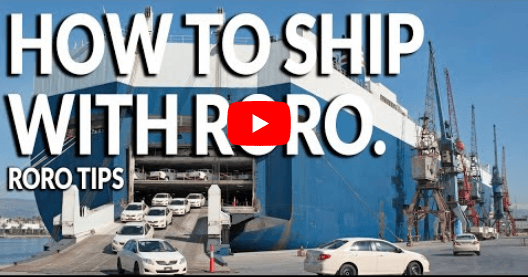
Roll-on/Roll-off service is often suitable for operable wheeled or tracked machinery that can safely drive or be towed aboard the vessel. It can work well for loaders, graders, tractors, trucks and selected construction equipment.
Container Shipping
Smaller machinery, attachments, engines, parts and compact equipment may fit inside a 20ft, 40ft or High Cube container when dimensions and loading limits permit.
Flat Rack, Open-Top & Project Cargo
Oversized or over-height machinery that cannot fit inside a standard container may move on flat rack, open-top, breakbulk or specialized project-cargo equipment after carrier engineering review.
Heavy Machinery and Equipment We Ship to Chile
Construction Equipment
- Excavators and mini excavators
- Bulldozers and crawler loaders
- Wheel loaders and skid steers
- Motor graders and compactors
- Backhoes and trenchers
Mining & Industrial Equipment
- Mining machinery and support equipment
- Generators and compressors
- Crushers, screening equipment and attachments
- Forklifts and material-handling equipment
- Industrial plant components and project cargo
Agricultural & Commercial Equipment
- Tractors and harvest equipment
- Farm implements and attachments
- Dump trucks and vocational trucks
- Utility and fleet vehicles
- Specialized trailers and service units
How We Choose the Best Shipping Method
RoRo Is Often Best When
- The machine rolls, steers and brakes safely
- Dimensions fit the carrier’s RoRo acceptance limits
- The selected Chile port has suitable service
- No loose household or commercial cargo must travel inside the machine
Flat Rack or Project Cargo Is Often Best When
- The machine is oversized or over-height
- It cannot move under its own power
- Crane or heavy-lift handling is required
- The cargo needs engineered blocking, bracing or lifting points
For accurate method selection, provide the make, model, year, operating condition, exact length × width × height, weight and pickup ZIP code.
Nationwide Pickup, Loading and Port Delivery
Running Equipment
- Pickup from auctions, dealers, jobsites and businesses
- Truck or lowboy transport to the export port
- RoRo delivery where the machine meets carrier requirements
- Condition and key handling coordinated before terminal delivery
Non-Running or Oversized Equipment
- Winch, forklift, crane or heavy-lift planning when required
- Lowboy, step-deck or specialized inland transport
- Warehouse or terminal loading coordination
- Blocking, bracing and securement for flat rack or container transport
How Heavy Equipment Shipping to Chile Works
Send Equipment Details
Provide make, model, year, dimensions, weight, operating condition, photos, pickup ZIP code and Chilean destination.
Confirm Import Eligibility
The Chilean importer or customs representative confirms classification, import eligibility, permits, taxes and any special requirements before shipment.
Select Route and Shipping Method
We compare RoRo, container, flat rack and project-cargo options based on size, cost, handling and available vessel service.
Arrange Pickup and Loading
The machine moves from the seller, auction, yard or jobsite to the export facility or marine terminal.
Complete U.S. Export Processing
Carrier documentation and AES/EEI are completed when required, together with title or ownership documents where applicable.
Clear and Deliver in Chile
The consignee or appointed customs agent completes Chilean clearance, inspection and inland transport after release.
U.S. Departure Gateways for Heavy Equipment to Chile
The best U.S. export port depends on the equipment location, carrier service, machinery dimensions and inland transport cost.
- Houston and selected Gulf gateways for machinery and project cargo
- Baltimore and other East Coast heavy-equipment gateways
- New York/New Jersey, Norfolk, Savannah and Charleston where suitable carrier service is available
- Los Angeles, Oakland and other West Coast gateways when routing and equipment availability are commercially suitable
Main Ports in Chile for Heavy Equipment and Machinery
San Antonio
A major multipurpose gateway serving central Chile and the Santiago market. It can support containerized, rolling, industrial and project cargo depending on carrier and terminal arrangements.
Valparaíso
An important central Chile gateway with established container and multipurpose terminal infrastructure and good access to central commercial regions.
Antofagasta
A strategically located northern Chile gateway for mining, industrial and project-related cargo. It can be useful when the final destination is in Chile’s northern mining corridor.
Iquique
A northern Chile port serving regional trade and project cargo. It is particularly relevant for industrial and mining-related shipments destined for northern Chile and nearby markets.
Heavy Equipment Transit Planning from the USA to Chile
Ocean transit is commonly planned at roughly 2–6 weeks port-to-port, but actual timing depends on the departure gateway, vessel rotation, whether the service is direct or transshipped, cargo type and terminal handling. Oversized and project cargo may require additional booking and engineering lead time. Total delivery also includes inland pickup, terminal receiving, export processing, Chilean customs clearance and destination transport.
Cost to Ship Heavy Equipment to Chile
For initial planning, heavy equipment shipping may range from approximately $3,500 to $12,500+. Compact machinery moving by RoRo or container may fall toward the lower end, while large excavators, dozers, mining machines, cranes and out-of-gauge project cargo can cost substantially more.
Pricing is affected by length, width, height, weight, operating condition, shipping method, U.S. pickup location, export port, Chilean destination port, fuel and carrier surcharges, lifting requirements and terminal handling. Customs duties, taxes, Chilean inspections, storage, demurrage, customs-broker fees and inland delivery are normally separate unless included in writing.
Documents for Shipping Heavy Equipment to Chile
- Commercial invoice or bill of sale
- Detailed equipment description including make, model, year and serial/VIN where applicable
- Bill of lading instructions
- AES/EEI and ITN when required
- Original title or ownership document when applicable to titled equipment or vehicles
- Packing list for attachments, spare parts or containerized cargo
- Importer and consignee identification
- Import permits, certificates or technical documents for regulated equipment when required
- Insurance documents when purchased
Descriptions, serial numbers, values, weights and consignee details should remain consistent across export and import documentation.
Important: Chile Cleaning Requirements for Used Machinery
Chile’s Agricultural and Livestock Service (SAG) maintains phytosanitary requirements for certain used machinery and equipment, including agricultural, forestry, gardening, earth-moving equipment, garbage compactors and other machinery that may present phytosanitary risk. Used equipment covered by these rules must arrive clean and free of soil, plant residue and regulated pests. Internal and external cleaning should be completed in the country of origin before shipment.
Because heavy construction, agricultural and earth-moving machines commonly retain dirt in tracks, undercarriages, buckets, guards and engine compartments, cleaning should be treated as a shipment requirement—not a cosmetic step. Equipment may be inspected on arrival, and non-compliance can result in treatment, additional costs, re-export or other action required by Chilean authorities.
Chile Customs Clearance and Import Planning
The consignee or appointed customs representative is responsible for Chilean customs entry, HS classification, valuation, permits, applicable duties and taxes, inspections and release. Before purchasing or loading machinery, confirm that the equipment is eligible for import and whether any environmental, safety, phytosanitary, emissions, technical or sector-specific controls apply.
Used agricultural and earth-moving machinery should be reviewed for SAG requirements before shipment. Wood packaging and dunnage used with machinery should also comply with applicable phytosanitary standards. Monitor terminal free time carefully because oversized machinery can generate significant storage, handling or demurrage charges if documents or inspections are delayed.
Why Businesses Choose AllTransportDepot for Heavy Equipment Shipping to Chile
- FMC-Licensed NVOCC: Licence #021693
- Nationwide Pickup: Auctions, dealers, jobsites, farms, yards and businesses
- Multiple Shipping Methods: RoRo, container, flat rack and selected project cargo
- Heavy Equipment Coordination: Dimensions, loading method, port delivery and carrier booking
- Export Documentation Support: AES/EEI and carrier paperwork when applicable
- Chile Route Planning: Port selection based on cargo type and final inland destination
Frequently Asked Questions About Shipping Heavy Equipment to Chile
How much does it cost to ship heavy equipment to Chile?
For initial planning, many shipments may fall around $3,500–$12,500+, but large, oversized, non-running or project cargo can cost more. Exact dimensions, weight, condition and pickup location are required for an accurate quote.
What is the best way to ship an excavator or bulldozer to Chile?
If the machine is operable and accepted by the carrier, RoRo can be efficient. Oversized or non-running equipment may require flat rack, breakbulk or project-cargo service. The best method depends on exact dimensions and available vessel service.
Can you pick up machinery from an auction or jobsite?
Yes. Pickup can be arranged from auctions, dealers, farms, construction sites, storage yards and businesses across the United States using appropriate inland transport equipment.
Does used machinery have to be cleaned before entering Chile?
Yes, certain used machinery is subject to Chilean SAG phytosanitary controls and must be clean and free of soil, plant material and regulated pests. Cleaning should be completed before export.
Which Chilean port should I use for mining equipment?
Antofagasta and Iquique can be strategically useful for equipment headed to northern Chile’s mining regions, while San Antonio and Valparaíso are important gateways for central Chile. The best port depends on the actual carrier service and inland destination.
Can non-running heavy equipment be shipped?
Yes, but non-running equipment usually requires additional handling such as winching, cranes, forklifts or specialized loading. Tell us the exact condition before booking so the correct service can be arranged.
What information do you need for a heavy equipment quote?
Send the make, model, year, exact length × width × height, weight, operating condition, photos, pickup ZIP code and final destination in Chile.
Request a Heavy Equipment Shipping Quote to Chile
Send your machine details, dimensions, weight, operating condition, pickup location and Chilean destination. We will review the best available RoRo, container, flat-rack or project-cargo routing for your shipment.
Email: ship@alltransportdepot.com

Asif Iqbal serves as IT Manager & Export Services Coordinator with All TransportDepot Inc., an FMC-licensed and bonded NVOCC (License No. 021693). He supports the company’s technology systems, digital operations, shipment coordination, and export services across vehicle shipping, heavy machinery, containers, project cargo, and international ocean freight. His role combines operational technology with practical export support, helping streamline shipment information, documentation, routing, and customer service for cargo moving from the United States to destinations worldwide.