
⚡ Quick Answer: How Much Does RoRo Shipping to Nassau, Bahamas Cost?
RoRo shipping to Nassau from the USA is commonly used for cars, SUVs, pickups, vans, trucks and approved rolling equipment. For planning, many standard passenger vehicles may fall around $1,200–$2,500+ for the international shipping leg, while larger SUVs, pickups, trucks and machinery can cost more. A practical overall transit window is about 1–3 weeks, depending on the U.S. departure port, carrier schedule, terminal cutoffs, Bahamas customs clearance and final island delivery. Import duty, VAT, environmental levy, customs processing, storage and local delivery are generally separate unless specifically included in your quote.
USA → NASSAU, BAHAMAS RORO VEHICLE & EQUIPMENT SHIPPING
All TransportDepot Inc. helps customers ship cars, SUVs, pickup trucks, vans, commercial vehicles, buses, and other rolling equipment from anywhere in the United States to Nassau, Bahamas. We can arrange vehicle pickup across the U.S., review export paperwork, book the RoRo shipment, and coordinate delivery to the appropriate port terminal. Since The Bahamas is made up of multiple islands, we confirm the correct destination and port before the vehicle is moved. Nassau is typically used for shipments going to New Providence, while Freeport may be used for Grand Bahama or when the carrier’s routing makes it a better option.
FMC Licensed & Bonded NVOCC #021693 • Nationwide U.S. Pickup • Vehicle & Equipment Export Coordination
🚢 Vehicle Shipping Calculator
Place an online request →
How RoRo Shipping to Nassau Works
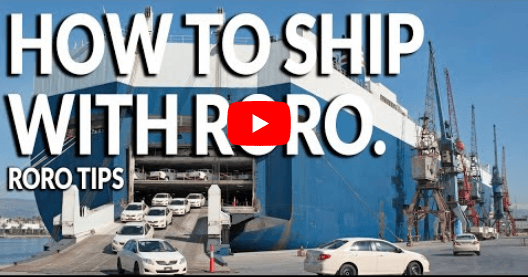
RoRo shipping is designed for cargo that can roll on and off the vessel. The vehicle is delivered to an approved U.S. terminal, driven aboard the vessel, secured for the ocean voyage and discharged at the assigned Bahamian cargo terminal. For Nassau-bound shipments, destination planning should match the consignee’s final location on New Providence and the carrier’s current receiving schedule.
1. U.S. Pickup & Export
We can collect the vehicle from a residence, dealership, auction, business or storage facility and move it to the assigned export terminal.
2. Ocean RoRo
The vehicle is received at the terminal, checked against the booking and driven onto the vessel for the short international ocean leg to The Bahamas.
3. Nassau Customs & Release
The importer or customs broker completes Bahamian customs entry, pays applicable taxes and fees, and arranges terminal release and local delivery.
What Can Be Shipped to Nassau by RoRo?
Cars & SUVs
Sedans, coupes, crossovers, SUVs and other passenger vehicles that meet carrier and Bahamas import requirements.
Pickups, Vans & Trucks
Pickup trucks, cargo vans, commercial trucks, buses and approved road-going rolling units.
Rolling Equipment
Tractors, loaders and other self-propelled or towable equipment may be accepted subject to dimensions, weight, condition and carrier approval.
Standard RoRo service is best for operable cargo that can steer, brake and move under its own power. Non-running vehicles, leaking units, loose parts, household goods or certain oversized machines may require special approval or another shipping method such as container, flat rack or project cargo.
Nassau and Freeport RoRo Routing
Nassau — New Providence
Nassau is the main destination for customers importing vehicles to New Providence. The exact cargo terminal and receiving instructions depend on the carrier booking, vessel schedule and terminal acceptance rules.
Freeport — Grand Bahama
Freeport serves Grand Bahama and can also be relevant for specific carrier schedules or transshipment arrangements. It should not be treated as interchangeable with Nassau unless the final island and onward transport plan support that routing.
Important: Always confirm the destination island before booking. Moving a vehicle to the wrong Bahamian port can create additional handling, storage and inter-island transport costs.
Step-by-Step RoRo Shipping Process
Request a Quote
Send the year, make, model, VIN if available, pickup ZIP code and destination island.
Confirm Import Eligibility
Verify the vehicle’s age, classification, customs treatment and any special import requirements before booking.
Prepare Ownership Documents
Provide the title or acceptable proof of ownership, consignee details and any supporting purchase documents.
Pickup or Self-Delivery
We can coordinate nationwide pickup or issue terminal delivery instructions for customer self-delivery.
U.S. Export Clearance
Title review, AES/EEI filing when required and carrier documentation are completed before sailing.
Ocean RoRo Transport
The vehicle is driven aboard and shipped to the booked Bahamas destination terminal.
Bahamas Customs Entry
The importer or broker submits the customs declaration and pays applicable duty, VAT, levy and processing charges.
Release & Delivery
After customs and terminal release, the vehicle is collected or delivered to the final destination on the island.
How Much Does RoRo Shipping to Nassau Cost?
For planning purposes, many standard passenger vehicles may fall around $1,200–$2,500+ for the international shipping leg. SUVs, pickups and larger vehicles often cost more, while commercial trucks, buses and heavy equipment are normally quoted from exact dimensions and weight.
Main Shipping Cost Factors
- U.S. pickup location
- Vehicle length, height and weight
- Departure port
- Carrier and sailing schedule
- Nassau versus Freeport destination
- Running versus non-running condition
- Fuel and terminal surcharges
Destination Charges Usually Separate
- Bahamas customs duty
- VAT
- Environmental levy or other applicable fiscal charges
- Customs/broker processing
- Terminal storage or demurrage
- Local island delivery
Do not compare ocean freight alone with total landed cost. Bahamian import taxes can be substantial, especially on conventional passenger vehicles, so the importer should estimate customs charges before purchasing or shipping the vehicle.
Transit Time from the USA to Nassau
A practical total planning window is generally about 1–3 weeks from U.S. receiving through Bahamas arrival and release planning. The ocean leg from Florida or the Southeast can be comparatively short, but terminal cutoffs, vessel frequency, customs inspections, documentation problems and local holidays can extend the overall timeline.
For time-sensitive shipments, confirm the actual vessel schedule and cargo cut-off date before arranging pickup.
Documents Commonly Needed
U.S. Export Side
- Original title or acceptable ownership document
- Bill of sale when applicable
- Government-issued identification
- Consignee information
- AES/EEI filing when required
- Carrier booking documents
Bahamas Import Side
- Bill of Lading
- Commercial invoice / purchase evidence
- Vehicle title and registration documents
- Customs entry
- Importer identification
- Any permits, exemptions or supporting documents applicable to the vehicle category
Requirements can vary by vehicle type, value, age, importer status and customs classification. The consignee should confirm the final import checklist before the vehicle departs the United States.
Bahamas Customs, Duty, VAT & Vehicle Import Costs
The Bahamas applies customs duty and other import charges according to the vehicle’s tariff classification, value, fuel/powertrain type and other criteria. Current Bahamian tariff schedules show that many conventional passenger vehicles can attract high duty rates, while qualifying hybrid and electric vehicles may fall under lower tariff bands depending on value and classification.
- Many conventional passenger-car tariff lines currently show duty rates as high as 65%.
- Some qualifying hybrid and electric passenger vehicles are listed at lower rates such as 10% or 25%, depending on value and tariff classification.
- Bahamas VAT is also charged on imported goods; the standard VAT rate is 7.5%.
- VAT on imports is calculated on a base that can include customs value plus customs duty, environmental levy, surcharge and customs service charges.
- Environmental levy, customs processing, storage and broker charges may also apply.
Because landed tax can materially exceed the ocean freight charge, the importer should obtain a current tariff classification and landed-cost estimate before shipment. Do not assume one duty percentage applies to every vehicle.
How to Prepare a Vehicle for RoRo Shipping
Before Delivery
- Remove personal belongings unless specifically approved
- Clean the vehicle enough for inspection
- Check for fluid leaks
- Ensure steering and brakes function
- Keep fuel low according to carrier rules
- Disable alarms and remove loose accessories
For Trucks & Equipment
- Provide exact dimensions and weight
- Disclose attachments, buckets, booms or removable parts
- Confirm running condition
- Provide serial numbers where applicable
- Identify hazardous fluids, batteries or special cargo issues
Why Ship with All TransportDepot?
Licensed NVOCC
All TransportDepot Inc. is an FMC licensed and bonded NVOCC #021693.
Nationwide Pickup
We can arrange pickup from auctions, dealerships, homes, businesses and storage facilities throughout the United States.
Bahamas Route Planning
We help match the vehicle, destination island, U.S. export port and carrier schedule before terminal delivery.
Frequently Asked Questions
How much does RoRo shipping to Nassau cost?
A broad planning range for many standard passenger vehicles is about $1,200–$2,500+ for the international shipping leg. Larger vehicles and equipment cost more, and Bahamas import taxes are separate unless specifically quoted.
How long does RoRo shipping to Nassau take?
A practical overall planning window is about 1–3 weeks, depending on the U.S. port, sailing frequency, terminal cutoffs and Bahamas customs clearance.
Can I ship a used car to Nassau?
Potentially, yes, but the importer should verify the vehicle’s current customs classification, age-related rules, duty, VAT and any required permits before booking.
Is Nassau or Freeport the better destination?
Nassau is generally the correct destination for New Providence. Freeport is used for Grand Bahama and may also appear in specific carrier routings. The final island should be confirmed before booking.
Can a non-running vehicle ship by RoRo?
Only in some cases and with advance carrier approval. Standard RoRo bookings usually require the vehicle to run, steer and brake.
Can I leave personal items inside the vehicle?
Normally you should plan to ship the vehicle empty unless the carrier specifically approves contents. Undeclared personal goods can create terminal or customs problems.
Can heavy equipment ship to The Bahamas by RoRo?
Yes, many self-propelled or towable machines can be accepted subject to dimensions, weight, condition and carrier approval.
Does All TransportDepot offer U.S. pickup?
Yes. Nationwide pickup can be arranged from residences, dealerships, auctions, businesses and storage locations.
Get a Current RoRo Shipping Quote to Nassau
Send us the vehicle year, make, model, pickup ZIP code and destination island. For trucks or equipment, include dimensions and weight so we can check the correct carrier and terminal.
Email: ship@alltransportdepot.com

Ian Mariamu is part of All TransportDepot Inc., an FMC-licensed and bonded NVOCC (License No. 021693) with more than 20 years of experience in international shipping and export logistics. The company handles vehicle shipping, RoRo, containerized cargo, heavy machinery and equipment, boats and yachts, inland transportation, and commercial ocean freight. Through major U.S. ports and international carrier networks, All TransportDepot Inc. supports individuals, dealers, exporters, businesses, and project cargo customers shipping from the United States to destinations worldwide.