
⚡ Quick Answer: How much does RORO shipping from the USA cost?
For a standard running vehicle, a practical planning range for RORO ocean shipping from the USA is about $1,000–$1,800+ before inland pickup, destination customs, taxes, terminal charges, storage, inspections and local delivery. Final pricing depends on the vehicle dimensions, U.S. departure port, destination port, carrier schedule and whether you need Port-to-Port or Door-to-Port service.
USA → WORLDWIDE RORO SHIPPING
All TransportDepot coordinates international Roll-on/Roll-off (RORO) shipping for cars, SUVs, pickup trucks, vans, buses, commercial vehicles and eligible heavy machinery from the United States to ports around the world. We can arrange nationwide vehicle pickup, export documentation, U.S. port delivery, carrier booking and destination routing through major RORO gateways.
🚢 Vehicle Shipping Calculator
Place an online request →
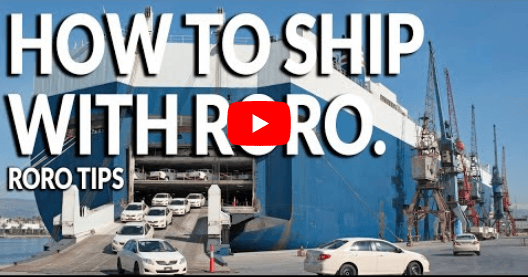
How RORO Shipping Works
1. Send Vehicle Details
Provide year, make, model, condition, pickup ZIP code and destination country or port.
2. Confirm RORO Eligibility
We confirm that the vehicle can be accepted by the carrier and destination terminal.
3. Choose Port-to-Port or Door-to-Port
Deliver the vehicle yourself to the export port or let us arrange inland pickup from your location, dealer or auction.
4. Prepare Export Documents
Complete title, bill of sale, identification and export filing requirements before terminal delivery.
5. Vehicle Loads on the RORO Vessel
The vehicle is driven or moved aboard using the vessel’s built-in ramps and secured for the ocean voyage.
6. Arrival & Destination Release
The vehicle is discharged at the destination port for customs clearance, terminal release and local collection.
What Can Be Shipped by RORO?
Cars & SUVs
Sedans, crossovers, SUVs, sports cars and many electric vehicles where carrier and destination rules permit.
Trucks & Commercial Vehicles
Pickup trucks, vans, buses, box trucks, tractors and other self-propelled commercial vehicles.
Heavy Machinery
Eligible excavators, loaders, bulldozers, rollers, tractors and other mobile equipment that can safely move under its own power or under carrier-approved handling.
Major U.S. RORO Export Ports
RORO sailings are available from several major U.S. gateways. The best port depends on your destination, vehicle type and carrier schedule.
Baltimore, Maryland
A major East Coast vehicle-export gateway with strong RORO connectivity to Europe, Africa, the Middle East and other markets.
Newark / New York
Useful for Northeast-origin vehicles and selected international RORO services.
Jacksonville, Florida
Frequently used for Caribbean, Latin America and selected transatlantic vehicle services.
Brunswick, Georgia
A major automotive port with extensive vehicle handling infrastructure and international RORO activity.
Galveston / Houston, Texas
Important Gulf Coast gateways for vehicles and heavy equipment moving to multiple international regions.
West Coast Gateways
Selected RORO services may use West Coast ports depending on the destination and carrier. Routing is confirmed at booking.
RORO Shipping Cost from the USA
For many standard vehicles, a reasonable planning range is $1,000–$1,800+ for ocean RORO freight. Total door-to-port cost can be higher when inland transport, port handling, oversized-vehicle charges or special documentation are required.
| Cost Factor | How It Affects Price |
|---|---|
| Vehicle Size | Larger SUVs, trucks and machinery occupy more vessel space and usually cost more. |
| Pickup Location | Door-to-port pickup adds inland transport from your ZIP code to the export terminal. |
| Departure Port | The most practical U.S. gateway depends on route availability and inland distance. |
| Destination | Ocean distance, carrier network and destination terminal charges vary by country and port. |
| Running Condition | Non-running units may not qualify for normal RORO and can require extra handling or another shipping method. |
| Season & Sailing Availability | Carrier capacity, fuel costs and sailing frequency can move rates up or down. |
Rates are planning estimates only. A live quote is required for the exact vehicle, pickup ZIP code and destination.
Port-to-Port vs Door-to-Port RORO
Port-to-Port RORO
You arrange delivery of the vehicle to the U.S. export terminal. This can reduce inland transport cost and works well when you are close to the selected port.
- Lower inland cost when you can deliver yourself
- Direct terminal handoff
- Best for customers near major export ports
Door-to-Port RORO
All TransportDepot arranges pickup from your home, dealer, auction, storage yard or business and moves the vehicle to the export gateway.
- Nationwide U.S. pickup
- Dealer and auction collection
- Single coordinated shipping process
RORO vs Container Shipping: Which Is Better?
Both methods can safely move vehicles overseas, but they are designed for different shipment types. RORO is usually the simpler and more economical choice for a standard running vehicle, while container shipping gives you an enclosed loading environment and greater flexibility for non-running vehicles, high-value units or shipments that include approved additional cargo.
Choose RORO Shipping When…
- Your car, SUV, truck or machinery is operational and can safely roll on and off the vessel.
- You want a straightforward vehicle-only shipping method.
- Cost is an important factor and your destination has a suitable RORO service.
- You do not need to ship household goods or loose cargo inside the vehicle.
- Your vehicle is oversized but still compatible with the carrier’s RORO deck limits.
Best fit: standard running cars, SUVs, pickups, vans, buses and eligible heavy machinery.
Choose Container Shipping When…
- The vehicle is non-running, damaged or not suitable for normal RORO handling.
- You are shipping a high-value, classic, luxury or specialty vehicle and prefer enclosed handling.
- You want to combine the vehicle with approved cargo, parts or household goods where destination rules allow it.
- Your destination has limited or no practical RORO service.
- You need a 20ft, 40ft or High Cube container solution for one or multiple vehicles.
Best fit: high-value vehicles, non-running units, motorcycles, multiple vehicles and cargo-combination shipments.
| Feature | RORO Shipping | Container Shipping |
|---|---|---|
| Typical Cost | Usually lower for a standard running vehicle | Usually higher because of container, loading and handling costs |
| Loading Method | Vehicle is driven or moved onto the vessel through a ramp | Vehicle is loaded, blocked and secured inside a container |
| Vehicle Condition | Normally must start, steer and brake unless special handling is approved | Can accommodate many non-running or damaged vehicles |
| Protection | Vehicle travels inside the vessel’s vehicle decks | Vehicle is enclosed inside a private or shared container |
| Personal / Additional Cargo | Generally not permitted | May be possible subject to carrier, customs and destination rules |
| Oversized Vehicles | Often suitable for trucks and machinery if carrier dimensions allow | Limited by container dimensions unless flat rack or special equipment is used |
| Availability | Depends on RORO carrier schedules and destination ports | Available to a wider range of container ports worldwide |
| Best For | Running vehicles and mobile heavy equipment | High-value, non-running, damaged or cargo-combination shipments |
Vehicle Requirements for RORO
Typical Carrier Requirements
- Vehicle should start, steer and brake unless special handling is pre-approved.
- No active fluid leaks.
- Fuel level must comply with the carrier’s terminal rules.
- Alarm systems should be disabled where required.
- Loose personal belongings are generally not allowed.
Before Terminal Delivery
- Remove valuables and personal cargo.
- Check battery condition and tire pressure.
- Provide keys as required by the terminal.
- Confirm exact vehicle dimensions for oversized units.
- Photograph the vehicle before handoff.
Documents for Exporting a Vehicle from the USA
Common U.S. Export Documents
- Original title or acceptable ownership document
- Bill of sale or commercial invoice
- Exporter / shipper identification
- AES / EEI filing information when required
- Carrier booking and terminal documents
Destination Documents
Import requirements vary by country. Depending on the destination you may need an import permit, customs declaration, tax identification, inspection certificate, proof of ownership, bill of lading or vehicle compliance documents.
Always confirm destination eligibility before shipping.
Popular RORO Shipping Regions from the USA
Africa
Routes to West, East, North and Southern Africa, depending on carrier service.
Europe
Vehicle shipping to major European automotive and general cargo ports.
Middle East
RORO options to selected Gulf and Middle Eastern destinations.
Caribbean
Frequent vehicle-export demand for Jamaica, Dominican Republic and other island markets.
South America
Selected RORO services to northern and southern South American ports.
Asia
Carrier-specific RORO routes for selected Asian destinations.
Oceania
Vehicle-export planning for Australia, New Zealand and Pacific markets where eligible.
North America
Cross-border and regional vehicle-shipping guidance for applicable destinations.
Popular Destination Examples
Africa
Nigeria • Ghana • South Africa
Europe
Caribbean & Latin America
Middle East
Saudi Arabia and other selected Gulf destinations based on carrier availability.
Auction, Dealer & Private-Seller Vehicle Pickup
We can arrange pickup from Copart, IAA, Manheim, dealerships, private sellers, storage yards and residences across the United States. Before buying an export vehicle, confirm that the title status, vehicle age, steering configuration and destination import rules are acceptable for the country where the vehicle will be registered.
Why Choose All TransportDepot for RORO Shipping?
Licensed International Shipping
All TransportDepot operates as an FMC licensed and bonded NVOCC and coordinates international ocean transportation.
Nationwide Pickup
We can move vehicles from anywhere in the continental USA to the most practical export port.
Vehicle & Heavy Equipment Experience
Our shipping workflow supports cars, commercial vehicles and eligible heavy machinery.
Export Documentation Support
We help coordinate title processing, booking documents and export filing requirements.
Global Port Network
We route shipments through major U.S. RORO gateways and international destination ports.
Port-to-Port & Door-to-Port
Choose the service level that fits your location, budget and shipment requirements.
Frequently Asked Questions
How much does RORO shipping from the USA cost?
A practical planning range for a standard running vehicle is about $1,000–$1,800+ for ocean RORO freight. Inland pickup and destination charges are additional unless included in the quote.
Can I ship a non-running vehicle by RORO?
Standard RORO normally requires the vehicle to start, steer and brake. Some carriers may accept non-running units with pre-approved handling, but container or flat-rack shipping is often more suitable.
Can I leave personal belongings inside the vehicle?
Generally no. RORO carriers and terminals normally require the vehicle to be free of personal cargo and loose items.
How long does RORO shipping take?
Ocean transit commonly ranges from roughly two to six weeks depending on the route, sailing frequency and transshipment. Booking lead time and destination clearance are separate.
Which U.S. ports offer RORO shipping?
Common gateways include Baltimore, Newark/New York, Jacksonville, Brunswick and Gulf Coast ports such as Galveston/Houston. The exact departure port depends on your destination and carrier schedule.
Is RORO cheaper than container shipping?
For a standard operable vehicle, RORO is often the lower-cost option because the vehicle is loaded directly onto the vessel without a private container.
Request a RORO Shipping Quote from the USA
Send your vehicle year, make, model, pickup ZIP code, running condition and destination country or port. We’ll identify a practical U.S. export gateway and quote the available RORO service.

Asif Iqbal serves as IT Manager & Export Services Coordinator with All TransportDepot Inc., an FMC-licensed and bonded NVOCC (License No. 021693). He supports the company’s technology systems, digital operations, shipment coordination, and export services across vehicle shipping, heavy machinery, containers, project cargo, and international ocean freight. His role combines operational technology with practical export support, helping streamline shipment information, documentation, routing, and customer service for cargo moving from the United States to destinations worldwide.