
⚡ Quick Answer: How much does it cost to ship a car from the USA to Oceania?
Car shipping from the USA to Oceania commonly ranges from $1,800–$5,000+ for many standard vehicles, depending on destination, pickup location, vehicle size, RoRo or container service, and current carrier schedules. Australia and New Zealand are major markets, while Pacific islands such as New Caledonia and French Polynesia often use more specialized routing.
USA → OCEANIA CAR SHIPPING
All TransportDepot coordinates nationwide U.S. pickup, title review, AES/EEI export filing, and vehicle shipping to Australia, New Zealand, and selected Pacific destinations. Biosecurity, import approval, vehicle age, compliance, and registration requirements can be strict, so destination eligibility should be checked before pickup or auction purchase.
🚢 Vehicle Shipping Calculator
Place an online request →
Car Shipping Destinations in Oceania
Australia
New Zealand
Pacific Islands
RoRo vs Container Shipping to Oceania
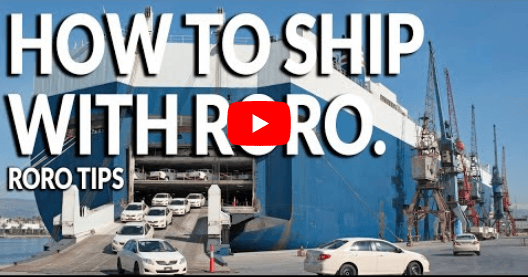
RoRo Shipping
Often practical for eligible running vehicles on established Australia and New Zealand routes.
Container Shipping
Best for non-running, high-value, classic, damaged, or specialty vehicles and selected Pacific destinations.
Oceania Car Shipping Cost & Transit Time
Typical Planning Cost
$1,800–$5,000+
Typical Ocean Planning
4–8 weeks
Main Cost Factors
Destination, pickup distance, vehicle size, method, carrier route, inspection, and local handling.
Major Oceania Vehicle Shipping Gateways
Australia
Brisbane, Sydney-area terminals, Melbourne, Fremantle, and other carrier-approved gateways.
New Zealand
Auckland and other approved vehicle ports depending on carrier routing and final destination.
Pacific Islands
Nouméa and Papeete-area routing may be used depending on destination and current carrier service.
How Car Shipping to Oceania Works
1. Confirm Import Approval
Check vehicle eligibility, biosecurity, compliance, and registration requirements.
2. Get a Quote
Provide VIN, pickup ZIP, vehicle details, condition, and destination.
3. Arrange U.S. Pickup
Pickup from homes, dealers, auctions, and businesses nationwide.
4. Complete Export Processing
Title review, AES/EEI, and carrier documentation.
5. Ocean Shipment
Vehicle moves by RoRo or container under the confirmed booking.
6. Biosecurity & Customs
The importer or broker completes inspection, cleaning if required, customs, and registration.
Common Documents
U.S. Export Side
- Original title or acceptable ownership record
- Bill of sale / invoice
- Shipper identification
- AES/EEI filing where required
- Lienholder authorization if applicable
Destination Side
- Bill of Lading
- Commercial invoice
- Importer identification
- Vehicle specifications / VIN details
- Import approval, biosecurity, or compliance records where required
Related Oceania Shipping Services
International Car Shipping from the USA · RoRo Shipping to Oceania · Car Air Shipping to Oceania
Oceania Car Shipping FAQs
How much does it cost to ship a car to Oceania?
A broad planning range is about $1,800–$5,000+ before destination taxes, inspection, and local charges.
How long does shipping take?
Many routes plan around 4–8 weeks depending on destination and carrier schedule.
Are biosecurity inspections important?
Yes. Australia, New Zealand, and other destinations can have strict cleanliness and biosecurity requirements.
Can I ship an auction vehicle?
Yes, but import approval and compliance should be checked before purchase or shipment.
Request Your Oceania Car Shipping Quote
Send the pickup ZIP, VIN, year, make, model, condition, and destination for current routing and pricing.

Asif Iqbal serves as IT Manager & Export Services Coordinator with All TransportDepot Inc., an FMC-licensed and bonded NVOCC (License No. 021693). He supports the company’s technology systems, digital operations, shipment coordination, and export services across vehicle shipping, heavy machinery, containers, project cargo, and international ocean freight. His role combines operational technology with practical export support, helping streamline shipment information, documentation, routing, and customer service for cargo moving from the United States to destinations worldwide.