
⚡ Quick Answer: How should you prepare a car for international shipping?
Prepare the ownership documents first, then clean and photograph the vehicle, remove loose/personal items as required, reduce fuel to the carrier’s allowed level, check tires/battery/leaks, disable alarms, provide working keys and confirm the destination country’s import rules before port delivery. RoRo, container and EV shipments can have different preparation requirements.
INTERNATIONAL CAR SHIPPING PREPARATION • USA EXPORT
A smooth international vehicle shipment starts before the truck arrives. This preparation checklist covers documents, physical vehicle condition, RoRo/container differences, auction purchases, EV considerations and U.S. export readiness so your car is less likely to be delayed at the terminal.
🚢 Vehicle Shipping Calculator
Place an online request →
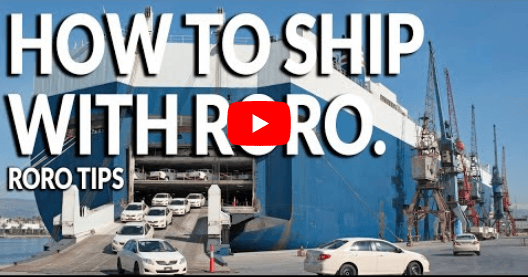
International Car Shipping from USA → Vehicle Preparation Checklist
1. Confirm the Vehicle Can Be Imported
Do not prepare or move the vehicle to port until you know the destination will accept it. Countries may apply vehicle-age, steering-position, emissions, inspection, title-type or registration restrictions.
Vehicle Eligibility
Check model year, VIN, steering orientation, fuel type and vehicle category.
Taxes & Duties
Import taxes and customs valuation are normally separate from U.S. shipping charges.
Destination Documents
Some countries require permits, inspections or importer registration before arrival.
2. Prepare the U.S. Export Documents
Common Documents
- Original title or other acceptable ownership document
- Bill of sale / purchase invoice
- Shipper identification
- VIN and booking information
- AES/EEI filing information where applicable
If a Lien Exists
A lien does not automatically mean a vehicle can or cannot be exported. The lienholder’s written authorization and the export port/carrier’s requirements must be satisfied before shipment.
3. Clean and Document the Vehicle
Wash Exterior
A clean vehicle makes dents, scratches and existing damage easier to document.
Take Photos
Photograph every side, wheels, roof, interior and any existing damage before pickup.
Record Condition
Note warning lights, mechanical issues, dead battery, flat tires, leaks or missing parts.
4. Remove Loose Items and Accessories
Carrier rules vary, but loose items can shift, disappear or interfere with vehicle handling. Remove anything not required for operation unless your container booking specifically permits cargo and it is properly declared.
- Remove personal valuables and documents.
- Remove loose GPS units, toll tags and detachable electronics.
- Remove or secure bike racks, roof boxes and loose aftermarket parts.
- Remove prohibited or undeclared cargo.
- Make sure seats, pedals, shifter and parking brake remain accessible.
5. Mechanical Preparation Before Pickup
| Item | What to Check |
|---|---|
| Fuel | Follow the exact carrier/terminal limit; do not assume one universal percentage. |
| Battery | 12V battery should be sufficiently charged for loading if the vehicle must operate. |
| Tires | Inflate correctly and disclose flats or damaged wheels. |
| Leaks | Repair or disclose oil, fuel, coolant or hydraulic leaks before acceptance. |
| Keys | Provide the required working key(s) and keep a spare where practical. |
| Alarm | Disable aftermarket alarms that may activate during transport. |
6. RoRo vs. Container Preparation
RoRo Preparation
- Vehicle normally must satisfy the carrier’s operability rules.
- Personal belongings are typically restricted.
- Vehicle must be delivered to the exact booked terminal.
- Fuel and receiving rules are carrier-specific.
Container Preparation
- Running and many non-running vehicles can be considered.
- Loading method depends on condition and dimensions.
- Additional cargo must be approved, declared and secured.
- Warehouse/loading instructions differ from RoRo terminal rules.
7. Extra Checks for Electric & Hybrid Vehicles
Electric vehicles need route- and carrier-specific acceptance checks. Disclose collision, flood, fire or battery damage and do not assume a used EV is automatically eligible for RoRo or container service.
EV & Hybrid Shipping
Review carrier acceptance, battery condition and destination requirements.
EV RoRo Restrictions
Understand why some ocean lines apply additional EV screening or restrictions.
8. Auction Vehicles Need Extra Preparation
Auction purchases may be non-running, damaged, missing keys or waiting on title documents. Confirm the condition and export-readiness before paying storage and inland transport.
Manheim Shipping
Dealer-auction pickup and export planning.
IAA Shipping
Planning for salvage, damaged and non-running vehicles.
Copart Shipping
Nationwide auction pickup and port/warehouse delivery.
Final 24-Hour Pre-Pickup Checklist
Documents
- VIN matches title and booking
- Title/ownership documents ready
- Bill of sale/invoice available
- Lien authorization ready if applicable
- Destination eligibility reconfirmed
Vehicle
- Photos completed
- Loose items removed
- Fuel within carrier limit
- Battery/tires sufficient for loading
- Leaks/mechanical problems disclosed
- Keys ready for driver/terminal
From Pickup to Vessel Loading
1. Quote & Eligibility
Confirm vehicle, destination and shipping method.
2. Document Review
Check title/VIN and export requirements.
3. Prepare Vehicle
Clean, photograph and complete mechanical checks.
4. Inland Pickup
Carrier collects from home, dealer, auction or storage.
5. Terminal / Warehouse
Vehicle is received according to booking instructions.
6. Export & Load
Complete applicable clearance and load for ocean transport.
International Car Shipping Preparation FAQs
How much fuel should be in the car?
Follow the specific ocean carrier and terminal instructions. Fuel limits vary, so do not rely on a single universal percentage.
Can I leave personal items inside the car?
RoRo carriers usually restrict personal belongings. Container cargo may be possible when approved, declared and properly secured.
Does the car have to run?
For standard RoRo, the vehicle usually must meet carrier operability requirements. Container service is generally more flexible for non-running vehicles.
When should I move the car to port?
Only after the booking, receiving location, cutoff and document instructions are confirmed.
What if my vehicle is electric?
Tell us before booking. EV carrier acceptance depends on vehicle/battery condition, route and ocean-line policy.
Ready to Prepare and Ship Your Vehicle?
Send your VIN, pickup ZIP, condition and destination for current routing, preparation requirements and pricing.

Ruth Kendi serves as International Logistics Coordinator with All TransportDepot Inc., an FMC-licensed and bonded NVOCC (License No. 021693). She supports commercial machinery, RoRo, container shipping, export coordination, port planning, and destination logistics, helping organize the documentation, carrier requirements, cargo specifications, and delivery details involved in international shipments. All TransportDepot Inc. provides ocean freight and export logistics services from the United States to destinations worldwide.