
⚡ Quick Answer: Car Shipping to the Philippines
A broad planning range is about $2,200–$4,500+ for many vehicle shipments from the USA to the Philippines, depending on pickup, vehicle size, RoRo or container service, gateway and carrier. Many shipments plan around 4–7 weeks overall. Import eligibility must be checked before booking: Philippine Customs states that ordinary vehicle imports generally need to be brand-new, while qualifying used vehicles require a Certificate of Authority to Import (CAI) secured before importation.
USA → PHILIPPINES CAR SHIPPING
Vehicle shipping to the Philippines starts with import eligibility, not with the ocean booking. A car that is acceptable for export from the United States may still be restricted at destination, especially if it is used. All TransportDepot Inc. can coordinate nationwide pickup, RoRo or container service and export documentation, while the importer confirms the required Philippine authority, destination terminal and customs plan before the vehicle is committed to a sailing.
FMC Licensed & Bonded NVOCC #021693 • Nationwide U.S. Pickup
🚢 Vehicle Shipping Calculator
Place an online request →
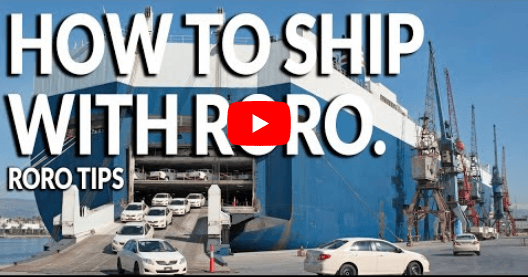
Car Shipping Services to the Philippines
RoRo Shipping
Available on selected routes for eligible running vehicles and approved destination service.
Container Shipping
Enclosed service for high-value, special-handling or approved non-running vehicles.
Nationwide Pickup
Pickup from homes, dealerships, auctions and storage locations across the United States.
Main Vehicle Gateways in the Philippines
Manila
A major national cargo gateway and a common routing point for Metro Manila and Luzon-bound imports, subject to carrier and terminal acceptance.
Batangas
An important vehicle and RoRo-oriented gateway south of Manila that may be used when the carrier schedule and consignee location support it.
Subic Bay
A specialized logistics gateway that may be relevant for selected vehicle-import programs and commercial movements.
The actual destination terminal must be confirmed on the booking and Bill of Lading; not every shipping line serves every Philippine port for automobiles.
Philippines Vehicle Import & Customs Planning
Philippine vehicle-import rules are unusually strict. Philippine Customs states that anyone may import a vehicle if it qualifies as brand-new. Used vehicles are allowed only for qualified vehicles and qualified importers, and must be covered by a Certificate of Authority to Import from the Department of Trade and Industry before importation.
- Original title or ownership documentation
- Commercial invoice / bill of sale
- Bill of Lading
- VIN, year, make, model and mileage details
- CAI for a qualifying used vehicle where required
- Importer identification and customs-broker details
- Applicable duties, excise/ad valorem tax, VAT and processing charges
Do not purchase or ship a used vehicle based only on the ocean rate. Confirm eligibility and obtain any required authority before the vehicle leaves the USA.
Frequently Asked Questions
Can I ship a used car to the Philippines?
Only qualifying used vehicles imported by qualifying individuals are allowed, and the required CAI must be secured before importation.
Which Philippine port should receive my car?
Manila, Batangas and Subic may be relevant depending on carrier service, vehicle type and the consignee’s location.
How much does car shipping to the Philippines cost?
A broad planning range is about $2,200–$4,500+ before destination taxes, customs and terminal costs.
Get a Current Car Shipping Quote to the Philippines
Send the pickup ZIP code, VIN, year, make, model, mileage, condition and confirmation of import eligibility.
Email: ship@alltransportdepot.com

Asif Iqbal publishes and reviews international logistics content for All TransportDepot Inc., covering vehicle shipping, heavy machinery, containers, project cargo, export coordination and transportation technology. All TransportDepot Inc. has been in business for 20 years and operates as an FMC-licensed NVOCC (License No. 021693) from 2305 Fourth Street, Suite B, Tucker, GA 30084. The company coordinates export shipments through major U.S. ports. His articles emphasize accurate cargo information, practical routing, documentation, terminal requirements and clear customer guidance.